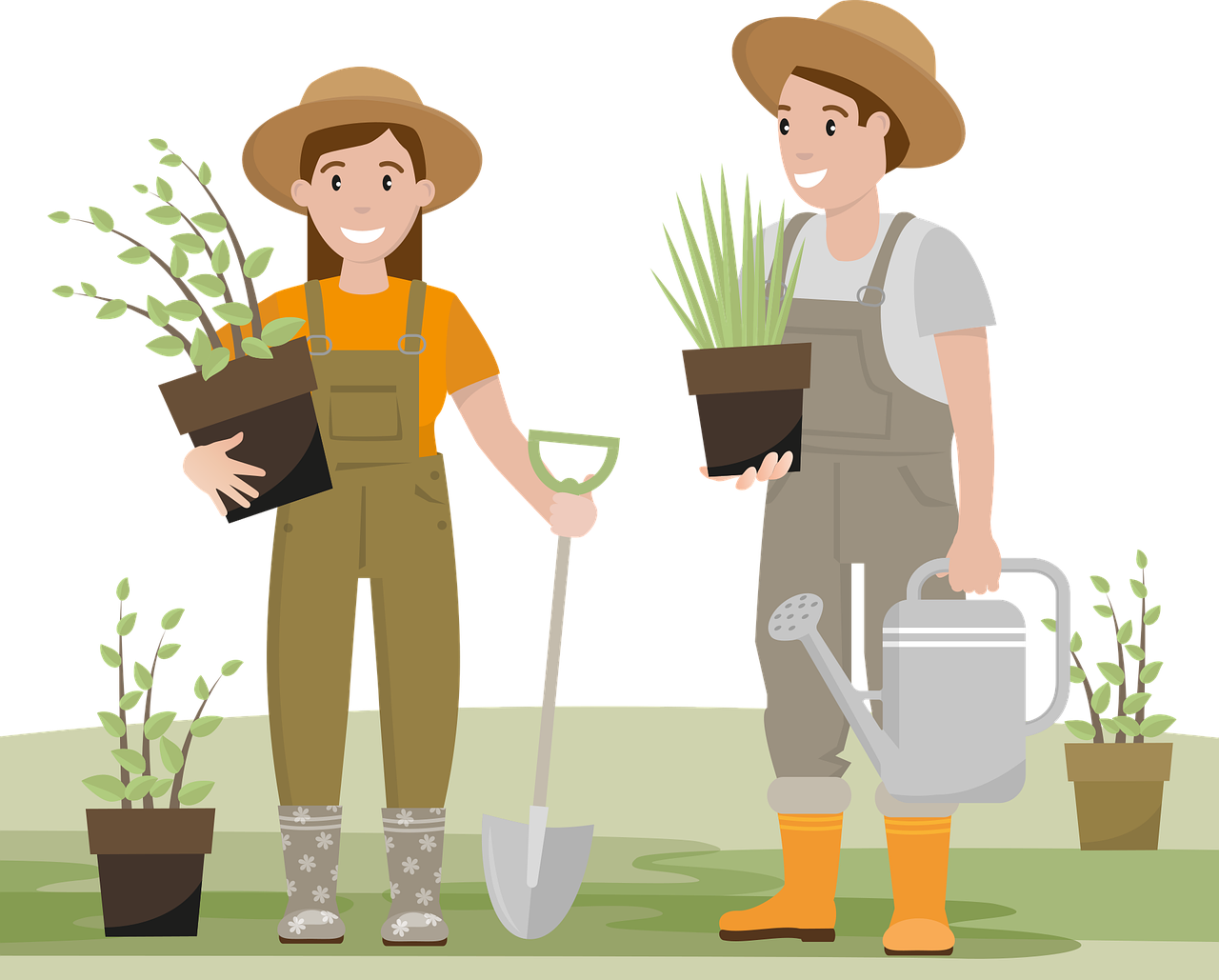
Breathe in the scent of fresh mint, feel cool earth between your fingers, and let calm settle in. That’s the essence of a self-care garden starter, where wellness meets soil in a union as chic as a linen jumpsuit in spring. This garden isn’t just greenery—it’s a style statement and mindful retreat, blending easy gardening with a dose of feel-good magic for beginners and seasoned city dwellers alike.
Growing herbs, trailing vines, or petite blooms in small containers or on sleek patio shelves, anyone can create a sanctuary, no matter the square footage. Right now, self-care gardens are trending—think bold foliage, textured plants, and sensory touches that bring peace, focus, and a little boldness into everyday life. Wellness isn’t reserved for luxury spas anymore, it starts at home, seed by seed. Prepare to tap into a soothing, sensory escape that fits any skill level or space, all while making style a daily ritual.
Planters’ Choice 9 Herb Indoor Window Garden Kit Buy Now

Search: self-care gardening for wellness on YouTube
https://www.youtube.com/results?search_query=self-care+gardening+for+wellness
Create Your Sanctuary, One Container at a Time
 Photo by Claire J
Ready to turn small spaces into daily retreats? Container gardening is your ticket to a tailored sanctuary, where each pot, box, or bowl becomes an emblem of self-care. Instead of sticking with backyard basics, you get to mix textures, colors, and scents—a living mood board waiting in your line of sight. Every container is a blank canvas, quietly inviting you to shape your own slice of peace, piece by piece.
Why Containers Create Instant Retreats
It doesn’t take a sprawling plot to find relief from the daily grind. Compact container gardens shine in tight quarters, with each vessel embracing a specific vibe—herbal, leafy, or floral—right where you need it. Line up a few on your balcony, cluster them by the kitchen door, or tuck them under your favorite window. You’ll get:
- Instant visual impact with layered heights and lush foliage
- Flexibility to move, refresh, or rotate your “garden rooms”
- Easy ways to experiment without a huge up-front commitment
Containers are also the fashion-forward answer to concrete jungles and rented patios. With options ranging from modern ceramics to rustic upcycled finds, style points blend with true function. Find more chic inspiration for creative container ideas here.
The Mental Health Power of Potting
There’s science (and a dash of magic) behind the garden-in-a-pot. Studies show that simply having greenery within reach can lighten your mood and drop your stress levels. The act of nurturing even one small plant is proven to calm the body and mind, offering hands-on mindfulness you can see and touch. According to Mayo Clinic Health System, gardening routines—even brief ones—create a buffer against burnout, sharpening focus while softening anxiety.
Planting in containers keeps things simple and stress-free. You get the satisfaction of quick wins and the comfort of knowing your mini-ecosystem can change with your needs, not the seasons.
Start Slow, Grow Confident
A container is almost like a personal assistant for your well-being goals: low-key, loyal, and willing to work with what you’ve got. Here are a few starter tips for turning any container into a piece of your sanctuary:
- Pick a container that matches your vibe (terracotta for classic chic, concrete for modern cool)
- Opt for soil blends that drain well while holding enough moisture
- Choose resilient plants like basil, mint, or hardy succulents if you want success on your first try
Every new pot is an invitation to design your rest. Even a single rosemary sprout on a windowsill can be the tiny pause you look forward to every morning. For foundational how-tos and a relaxed intro to self-care garden basics, take a peek at this helpful introduction to container garden sanctuary creation.
Remember, this is about slowing down and getting back in touch with yourself—one small container, one slow breath, at a time.

The Therapeutic Power of Gardening: Science Behind Self-Care Gardens
There’s a reason wellness circles are buzzing about self-care gardens. Behind every stylish ceramic planter and cascading vine lies a surge of scientific proof: gardening isn’t just pretty, it’s powerful. From clinical studies to ancient rituals, the art of tending plants is packed with real benefits for your body and mind. Think of your garden as both a wellness sanctuary and a subtle support system—one that’s proven to soften stress, spark focus, and uplift the spirit in even the smallest spaces.
Mindfulness and Mental Wellness in Gardening
 Photo by Kaboompics.com
Mindfulness in a garden looks chic but feels deeply grounding. The slow pace, the textures of soil, the scents in the air—each step is a soft invitation to pause and breathe. This is where therapeutic gardening practices shine, transforming everyday moments into rituals.
Whether you’re clipping basil or filling a watering can, these practices unlock:
- Sharper presence, as your mind tunes in to touch, scent, and sight.
- Stress relief, thanks to rhythmic movements (think pruning, patting down soil, or even gentle sweeping).
- Mood-boosting rewards, fueled by the satisfaction of growth—no app notifications in sight.
Craving daily calm? Try a sensory garden loaded with plants like lavender, rosemary, and chamomile. These calming plants are more than pretty; their oils and scents have been found to ease tension and promote relaxation.
15 Lettuce & Salad Greens Seeds Variety Pack Buy Now

Stress relief garden ideas can be as simple as:
- A “quiet corner” filled with soft-textured lamb’s ear or ornamental grasses.
- Cool, shaded spots lined with soothingly green ferns.
- Routine gardening rituals—a cup of herbal tea as you water, or deep breaths each time you prune.
Many use gardening for mindfulness, letting repetitive handwork set the tone for meditation or journaling. Imagine slipping your fingers through fresh soil: the world narrows to that moment, every sense engaged.
Gardening and Mental Health: Evidence-Based Benefits
The mental health perks of regular gardening aren’t just anecdotal—they’re science-backed and widely documented. Research shows a clear link between time spent in the garden and a dip in cortisol, the hormone responsible for stress. In one large review, gardening practices routinely led to lower anxiety, decreased depression symptoms, and a gentler, happier mood (Gardening for health: a regular dose of gardening – PMC).
Notable benefits of gardening for mental health:
- Reduced stress: Gardening activities have been shown to physically lower blood pressure and calm the nervous system.
- Improved mood: Even 15 minutes of plant care can boost feelings of joy and satisfaction, according to multiple studies.
- Symptom relief: Horticultural therapy—where gardening is structured for wellness—is increasingly used to help people manage depression, anxiety, and even trauma (Horticultural Therapy Program for People with Mental Illness).
Want more reasons to dirty your hands? Gardening can encourage attention focusing, memory retention, and social bonding—offering natural ways to counteract the effects of daily stress. The Mayo Clinic breaks down how even low-impact container gardening can lighten the mood and soften stress (Dig into the benefits of gardening).
20 Vegetable Seeds for Planting Indoor Outdoor Variety Pack Buy Now

Sensory and Emotional Benefits of a Self-Care Garden
Plants don’t just affect how you look at a space—they shape how you feel within it. Sensory gardening invites you to experience the world with every sense:
- Feel the cool soil and soft moss between your fingers.
- Watch sunlight dance over glossy leaves and fresh shoots.
- Breathe in the spicy, sweet, or herbal scents offered by blooms and herbs.
- Bask in a burst of color that shifts with every season—or every week, if you like to swap pots.
These experiences are subtle, but their effects on emotional well-being are strong. A sensory-rich garden can help:
- Snap you out of anxious loops by tying attention to the present.
- Soothe nerves with steady, repetitive motions and familiar scents.
- Bring a pop of joy with bright petals or lush green leaves that refresh tired eyes after a long day.
Creating a self-care garden is about more than décor. It’s about restoring your senses and gently rewiring your mood, all from the comfort of a small green retreat. For more detailed insights on how sensory gardening shapes wellness, the American Horticultural Therapy Association curates research-backed resources in therapeutic horticulture (AHTA Journal of Therapeutic Horticulture).
A self-care garden is both your style move and your toolkit—helping you recenter, recharge, and greet each day with a little extra color and calm.
Planning Your Self-Care Garden: Designing for Simplicity and Serenity
Getting your self-care garden off the ground is about more than tucking a few plants into pots. It’s setting your intention—turning empty space into a source of everyday calm. Whether outdoor or indoor, large or petite, your garden design should run on one simple principle: let it soothe you as easily as it inspires you. Here’s how to blend style, wellness, and ease for a retreat that’s chic without being complicated.
Chic and Stylish Self-Care Gardens: chic garden design ideas
 Photo by Google DeepMind
Your garden should feel as on-trend as your favorite loungewear but with an extra dose of calm. For 2025, designers are pushing gardens that stand out as personal sanctuaries—picture clean lines, lush texture, and bold color pops arranged with modern flair. Here are a few directions to try:
- Minimalist Planters: Matte ceramics, concrete cubes, or sleek metallics create gallery vibes without clutter.
- Statement Foliage: Huge monstera leaves, sculptural succulents, and airy ferns are the green equivalents of statement jewelry.
- Layered Textures: Mix pebbles, glass mulch, and wood chips for a tableau worthy of your Instagram grid.
- Artisan Decor: Rattan lanterns, macramé hangers, and geometric trellises add a touch of curated luxury.
- Wellness Corners: Use soft throws, outdoor poufs, or a simple bistro chair for spots where you unwind and reset.
For even more inspiration, check out these classy garden design projects or browse the top garden design ideas to find your look.
Curious about what’s new for chic outdoor spaces? Expect garden mirrors to bounce natural light, mood lighting for dusk meditation, and vibrant woven planters to trend in 2025. To stay a step ahead, explore these expert takes on 2025 garden style trends and see how wellness is leading the scene.
Selecting the Ideal Space: Gardens for Every Lifestyle
Every lifestyle can make room for a self-care garden, whether you’re working with sprawling lawns or a postage-stamp balcony. The trick is to adapt the garden to your life, not the other way around.
- Backyard Beds: If you have a yard, designate a small patch—border it with boxwood or use bold pavers for instant definition. Even a narrow strip by a fence works.
- Balcony Containers: Apartment living? No problem. Cluster pots in trios at different heights, string fairy lights, and let trailing plants soften concrete ledges.
- Windowsill Retreats: No outdoor space? A sunny kitchen window or bedroom sill is perfect for a petite rosemary jungle or a single bonsai. Use uniform, stylish pots for visual order.
- Portable Planters: Moveable troughs or carts work indoors or out—easy to rearrange as your mood or the sun changes.
- Vertical Gardens: When floor space shrinks, go up with wall-mounted pockets or stacked shelves, making a living green tapestry right at eye level.
Remember, self-care fits your schedule and your square footage. Even a tiny table can hold an oasis if styled right—think a lavender pot, a scented stone, and a glass of iced tea to set the vibe.
35 Vegetable Seed Packets | Survival Variety Pack Buy Now

Design Elements for Relaxation and Mindfulness
Designing for peace is about more than plants. It’s choosing each element with thought and heart, layering in features that comfort the senses and the soul.
- Seating: Think inviting yet simple—stone benches, canvas sling chairs, or a weatherproof pouf. Any spot you’ll want to linger will work.
- Pathways: Gravel, stepping stones, or wooden slats mark the journey, inviting barefoot walks and unfussy, meditative pacing.
- Calming Arrangements: Cluster soothing plants together: a ring of lavender around a meditation stool, or pots of sage, mint, and chamomile by a reading nook.
- Sensory Zones: Dedicate small zones—a tactile patch of moss, a tiny water fountain, or an herb tray you can run your hands through.
- Accent Decor: Hang soft wind chimes, place a shallow dish for floating candles, or add a mirror to reflect green light back into your room or courtyard. Wellness touches like these double as both décor and mood boosters.
A self-care garden is truly the sum of its cozy parts. Adapt any of these features to fit your routine, whether it’s ten minutes with your coffee or a quiet hour after work. For more relaxation-forward ideas, these wellness garden basics break down what’s working now (and what’s next) for gardeners setting new trends in serene design.

Beginner-Friendly Plants: Easy Choices for Success and Joy
Where self-care meets dirt under the nails, plant selection sets the tone. First-timers crave quick wins—the kind that spark a thrill when you see the first leaf pop or catch that sweet herbal aroma after sunrise. The secret? Start with plants that practically care for themselves, whether you’re crafting a kitchen countertop apothecary or lining your balcony with lush, edible greenery. Think fashion basics, but for your garden: no-fuss, versatile, and guaranteed to flatter every space.
Plants for Wellness and Self-Care
Wellness isn’t one-size-fits-all, and neither is your garden. Each plant brings its own kind of magic—calming, healing, aromatic, or simply feel-good vibes—that blends beauty with benefit.
Best Herbs for Self-Care Gardens
- Basil: Fragrant, easy, and perfect for fresh salads or mood-lifting pesto.
- Chamomile: Delicate white blooms with legendary relaxation powers—brews into a calming tea.
- Mint: Refreshes both cocktails and breaths, flourishes indoors and out with barely any fuss.
- Rosemary: Woody aroma, supports focus, and works as a chic kitchen accent.
- Sage: Soft, textured foliage adds a stylish touch; ideal for soothing smudges or herby teas.
Find a comprehensive list of the top beginner-friendly herbs here.
Calming Plants for Relaxation
- Lavender: Signature soothing scent, doubles as aromatherapy and visual pop. Lavender calms like a weighted blanket for your mind.
- Lemon Balm: Subtle citrus notes uplift the spirit, thrive with only occasional care.
- Aloe Vera: The “spa plant.” Snip a leaf for instant relief on small burns and dry hands.
Healing Plants for Self-Care
- Aloe Vera: Healing gel for skin and a statement in minimalist planters.
- Chamomile: Calming for tummy and mind, ideal for evening routines.
- Calendula: Edible petals used in healing salves, bright like marigolds with a little extra skin-care sparkle.
Aromatherapy Plants for Home Gardens Every home spa needs built-in aromatherapy. Try:
- Eucalyptus: Fresh hangings for the shower, their oil steams away stress.
- Rosemary and Mint: Pluck, rub, inhale—these lift a dull day.
Wellness Garden Plants List If you’re plotting your first collection, keep it simple and sensory:
- Basil
- Mint
- Lavender
- Sage
- Rosemary
- Chamomile
- Lemon balm
- Aloe vera
- Calendula
Easy-to-Grow Self-Care Plants
- Most herbs (basil, mint, chives) need little care—just a sunny spot and water.
- Succulents bring both style and stress less, ideal for forgetful waterers.
- Spider plant offers crisp air and soft lines, perfect for beginners.
Mood-Boosting Garden Plants
- Geraniums: Lively color and classic floral scent.
- Sunflowers: Honest, bold blooms that track the sun. Impossible not to smile at them.
- Lavender and Marigold: Radiate happiness and keep pests away naturally.
Indoor Herbs for Health If space is tight, arrange a windowsill mini-garden with:
- Basil or mint for tea and garnishes
- Chives for a zing in every salad
- Lemon balm for chilly-weather cheer
For practical tips on choosing and growing your first herbs, check this herb gardening guide for beginners.
Top Edible Plants for New Gardeners
 Photo by Kampus Production
Taste meets ease with these foolproof choices—ideal for snipping, munching, and showing off. With a little sun and regular watering, even total beginners see quick, delicious rewards.
- Cherry Tomatoes: The supermodels of edible gardens—firm, juicy, and easy. Pop seedlings in a sunny spot, water when dry, and you’ll get clusters of bite-sized tomatoes for weeks. Stake or cage for support.
- Lettuce: Fast-growing, cut-and-come-again greens. Tuck into shallow pots or patio boxes. Water lightly most days and trim outer leaves for a fresh supply all season.
- Basil: Pairs with tomato, pizza, or summer drinks. Thrives in pots with sunshine and moist soil. Ditch any flower buds as soon as they appear to keep leaves lush.
- Strawberries: Sweet, sun-kissed fruit with stylish runners that spill over planters. Water regularly, pick when fully red, and let that scent fill the air.
Curious about what else is easy? Explore more on the easiest fruits and vegetables to grow for beginners, and see why even busy plant-lovers can grow a vibrant edible haven.
Flowers and Foliage for Visual and Emotional Uplift
Flowers are the garden’s accessories, the pastel painters and bold brushstrokes for every mood and style. For instant energy (and classic garden glow), add one—or all—of these easy favorites.
- Sunflowers: Tall, cheerful, and unapologetically bold. These icons follow the sun and fill any corner with power-posing energy.
- Marigolds: Petal perfection in shades of gold and tangerine. Tough against heat and dry spells, these flowers attract pollinators and repel pests—call it accessorizing with function.
- Lavender: The aromatherapy mainstay. Pale purple spikes wave above steel-blue foliage, and the scent is a daily mood boost. Use cut lavender in vases, tea, or sachets for that extra spa-at-home vibe.
Pair these with accent foliage such as:
- Silver Dust (Dusty Miller): All about texture and cool-toned calm.
- Coleus: Color-blocked leaves bring modern contrast to classic green.
- Ornamental Grasses: Feather-soft and always in motion, like a silk scarf on a breezy day.
Every bloom and leaf invites happiness, color, and style—a ready-made mood board for your outdoor (or indoor) retreat. With choices this chic and easy, your self-care garden will look as good as it feels.

Container and Indoor Gardening: Self-Care, Delivered in Style
Container and indoor gardening is the go-to wellness move for living spaces where style is key and square footage matters. Think of containers as sculptural accessories—they let you turn any room, ledge, or tiny balcony into a curated green retreat. With the right picks, even a single bare shelf can transform into a living color story or a mini herbal apothecary. Here’s how to shape your sanctuary without fuss, and why a container garden fits self-care chic like a favorite silk scarf.
The Best Containers: Function Meets Fashion
Not all planters are created equal—some are statement pieces, others are smart problem solvers. Prioritize both looks and function for a harmonious feel in your garden scene.
- Self-watering planters are true icons for beginners or the busy. They keep roots consistently hydrated and cut down on your chore list (best self-watering garden containers).
- Matte ceramic pots and concrete bowls feel modern, while woven baskets and vintage tins bring texture and personality.
- Tiered or vertical planters look sleek and save space, especially on a balcony or wall.
- Clear glass or plastic vessels show off trailing roots and water levels—part décor, part botany class.
Browse savvy options in the complete container gardening guide.
Indoor Self-Care Garden Ideas: Greening Your Interiors
 Photo by cottonbro studio
An indoor self-care garden isn’t just about plants—it’s mood, wellness, and a brush with nature, all inside your four walls. Try these ideas to layer color, scent, and touch wherever you need a boost:
- Set up a plant shelfie: group lush foliage in staggered rows for a fresh, styled look.
- Keep humidity-loving plants like ferns and calatheas in your bathroom for built-in steam therapy.
- Use trailing pothos or philodendron for a soft, relaxing vibe in bedrooms or reading nooks.
- Place small cacti or succulents in sculptural holders on desks or countertops for low-maintenance charm.
Indulge your inner stylist with more easy indoor gardening ideas for beginners.
Balcony Self-Care Gardening: Style On Display
No yard? No problem. A balcony can become your personal wellness center, perfect for soaking up sun—all in designer pots.
- Go vertical with wall planters or rail-hugging boxes to save floor space and give structure.
- Try grouping three different heights of containers for a layered, professional finish.
- Choose plants with dramatic leaves or petals for “wow” impact without clutter.
- Install simple hooks or a tension rod to hang trailing plants or lanterns for evening ambiance.
Draw inspiration from these balcony garden ideas for small apartments and make the most of your open-air haven.
Windowsill Herb Garden for Wellness
The classic: fragrant herbs lined up within arm’s reach of your stove or tea kettle. Not only do they look chic and save space, but they put fresh flavor and calming scents right at your fingertips.
- Use long, narrow boxes or matching terracotta pots for a unified design.
- Focus on high-value picks like basil, mint, or rosemary. They thrive with morning light and make every meal better.
- Don’t forget drainage: even a coffee mug works if you nestle stones in the bottom.
Get expert tips from this stylish kitchen windowsill herb garden guide.
Small Space Self-Care Gardening: Make Every Inch Count
Even the tiniest home or apartment can host a garden that feeds your senses and your soul.
- Go up, not out—stack shelves or use wall-mounted grids and vertical kits.
- Add greenery with hanging planters in corners or suspend glass orbs in front of bright windows.
- Use small troughs or trays for rows of microgreens or trailing vines.
- Look for dual-purpose plant stands that double as tables or benches for smart storage.
Discover more small space hacks in these three rules for small space gardening.

Indoor Plants for Wellness: Feel-Good Favorites
Certain plants have superstar status for boosting well-being and freshening the air indoors.
- Snake plants and pothos are nearly foolproof and scrub toxins from the air.
- Lavender and jasmine bring calm, soothing scents that double as aromatherapy (best indoor plants for health).
- Aloe vera offers instant spa vibes—just snap off a leaf for natural skin relief.
- Golden pothos and ferns thrive in low light and add lacy texture to your retreat.
Houseplants do more than look pretty—they create mini oases that support mental calm and creativity.
Apartment Self-Care Garden Tips: Urban Green, Elevated
Gardening in apartments is about thoughtful choices and small luxuries.
- Use the right soil blend (lighter, airy for containers) to keep roots healthy (ultimate apartment gardening guide).
- Rotate containers every few weeks for balanced growth and interest.
- Supplement sun with grow lights if you’re short on windows.
- Keep watering cans or spray bottles handy for stress-reducing rituals.
Window ledges, side tables, and shelves all double as perfect plant real estate in small homes. No matter the space, every green moment adds to your self-care collection.
Simple Steps to Start Your Self-Care Garden: From Planning to Planting
Every fashion-forward retreat starts with a blueprint—your self-care garden is no different. From building up the soil like a stylist layers a perfect outfit, to setting up simple routines that nourish both plant and soul, this guide walks you through every step. Classic or modern, tiny or lavish, your garden journey begins here. Expect quick wins and pure satisfaction, all tailored for wellness in mind.
Soil Preparation and Setup Made Easy
Envision your soil as the foundation for any great look. Good soil delivers nutrients like a luxury moisturizer delivers hydration—it’s the base for bright, thriving plants. To kick things off:
- Check your space. If you’re growing in containers, opt for a premium potting mix—light, well-drained, with added compost for nutrients. For outdoor beds, dig down at least 8 inches for strong root support.
- Enrich and prep. Mix in natural compost or worm castings to build soil health. Compost brings life to the garden, acting as the secret ingredient for lush growth. Learn more tricks from the Old Farmer’s Almanac soil prep guide.
- No-dig methods. Want an easier option? No-dig gardening is stylish and gentle—just cover soil with layers of compost and mulch, then plant directly. This keeps soil structure intact and preserves helpful organisms.
- Potting mixes. Skip dirt from your backyard for pots—premium blends are tailored for drainage and root health, perfect for herbs and smaller blooms.
- Compost basics. Save kitchen scraps like coffee grounds and veggie peels. Compost bins or sleek countertop composters turn waste into garden gold.
For step-by-step tips and troubleshooting for different types of soil, Home Depot offers a solid soil preparation tutorial.
Watering, Feeding, and Mulching: Low-Stress Garden Care
Self-care gardening is about routines with results—like a smart skin-care ritual, but for your green space. It’s all about efficiency, thriving plants, and less stress.
- Water in the morning. Early AM is ideal; it preps roots for the day ahead and prevents fungal issues from overnight dampness.
- Deep, not frequent. Water deeply so moisture reaches the roots. Light sprinkles invite weak growth—strong roots equal resilient style.
- Organic mulches. Lay down straw, bark, or even dried leaves around your plants. Mulch keeps moisture in, suppresses weeds, and gives the garden a finished, chic look.
- Feed with organics. Opt for fish emulsion, seaweed extracts, or homemade compost tea. These options support plant health and boost soil nutrition without fuss.
- Monitor with touch. Stick your finger in the soil—if it’s dry an inch down, it’s time to water. Keep it simple, never overthink it.
Gardening Routines and Rituals
A chic wellness garden is all about routine—think morning matcha for your mind, misted leaves for your mood. Here’s how to build mini-rituals that work daily, not just seasonally.
- Daily self-care gardening: Start or end your day in the garden, even for five minutes. Prune, water, or just breathe in the scent.
- Wellness rituals with plants: Run your fingers over herbal foliage, pluck basil leaves for a tea, or roll lavender between palms for quick calm.
- Morning garden routine: Stretch, sip something soothing, check on new growth, and water. Let a gentle start frame your mindset.
- Evening relaxation: Light a lantern, mist your leaves, and journal about your day beside your favorite bloom. Evening time in your garden winds down both mind and body.
- Mindful watering: Pour water slowly, focusing on how it drips and pools. Treat it as a moving meditation.
- Self-care garden journaling: Track progress, jot down scents and feelings, and set intentions—today’s stress melts away with each entry.
- Set intentions: Choose a word or focus for the day every time you enter your garden space.
 Photo by Kaboompics.com
Seasonal Self-Care Garden Activities
Just like wardrobes, gardens thrive when you dress them for the season. Adapt your self-care gardening to maximize beauty and benefit year-round.
Spring
- Plant soothing flowers like calendula and chamomile.
- Freshen up soil with compost, and sow fast-growing salad greens.
Summer
- Water deeply, mulch generously, and harvest daily for instant flavor and visual pop.
- Add sun-loving herbs like basil or mint for scent and resilience.
Fall
- Prune herbs to prep for indoor life.
- Plant hardy greens and tuck in bulbs for next spring’s reveal.
Winter
- Bring care inside—cluster houseplants and grow microgreens for nutrition and green vibes.
- Place planters in sunny spots, keep routines (like misting and occasional feeding) simple.
Year-round
- Keep a rolling list of seasonal tasks in a planner.
- Switch up containers and décor by season for a fresh look and feel.
If you want more seasonal inspiration, find fresh ideas in this organic gardening soil prep guide.

Tools, Kits, and Essentials for Starters
Good tools are the everyday accessories that turn a garden into an easy, functional escape. Here’s your edit for must-haves:
- Starter kits. Look for pre-packed self-care garden starter kits with soil, seeds, and basic tools; they make sleek gifts and streamline the process.
- Must-have tools:
- Soft, snug gardening gloves (look for breathable fabrics).
- A sharp hand trowel for digging and planting.
- Pruning shears for tidy herbs and flowers.
- Watering can or sprayer for gentle, even watering.
- Lightweight spade and hand rake if you venture outside pots.
- Chic kit picks: Modern, color-coordinated tool sets are functional but double as stylish décor. Garden Design curates a helpful list of essential beginner tools.
- Seed choices: Start with basil, mint, calendula, and easy greens—these are forgiving, fast, and thrive in most setups.
- Garden planner: Track watering, fertilizing, and fresh ideas. A paper or digital garden planner turns a jumble of thoughts into a sleek strategy.
- Beginner supply guide: Favor sturdy, easy-to-clean items that won’t overwhelm. For more advice, explore essential gardening tools for every style.
Curate your self-care garden kit like a capsule wardrobe—choose quality pieces that offer comfort, style, and function every season. With these steps, you’re set to create a soothing space that’s good for the planet, your style, and most of all, you.
Eco-Friendly and Sustainable Self-Care Gardening
Eco-friendly self-care gardening is more than just a trend—it’s a daily wellness ritual that’s easy on both the eyes and the Earth. Think of it as the little black dress of gardening styles: always chic, endlessly adaptable, and forever in season. A truly mindful garden does double duty by creating calm for you and giving a gentle boost to your ecosystem. Here’s how to nurture your urban retreat the green way, without sacrificing style or joy.
Green Practices for a Healthier Garden and Planet
 Photo by Sippakorn Yamkasikorn
Building a chic, planet-friendly garden isn’t about perfection. It’s about smart swaps that make a real difference. Here’s how to garden greener, right from the start:
- Companion Planting: Pair plants that support each other. Basil with tomatoes, marigolds with cucumbers. This old-school trick keeps pests in check and boosts plant health, all without harsh sprays.
- Natural Pest Control: Release ladybugs for aphid patrol. Use neem oil or DIY garlic sprays as natural protection. Skip chemicals—it’s better for you, your plants, and friendly pollinators.
- Rain Barrels & Water Savvy: Collect rain in stylish barrels to water your plants. It saves money, supports deep roots, and keeps your style on-point. For pro tips, see the rainwater harvesting guide.
- Permaculture Basics: Think of your garden as a living community. Use mulch for moisture, plant perennials for less digging, and recycle garden waste right back into your soil.
- Wildlife Habitats: Add a bee hotel, tuck in native flowering plants, or leave a patch wild. These moves support bees, butterflies, and birds—tiny garden guests with a major role.
Curious about more ways to garden green? The Earth-Friendly Gardening resource highlights easy changes that benefit both the planet and your personal sanctuary.
Eco-Friendly and Sustainable Self-Care Gardens
A sustainable self-care garden is rooted in intention. Think of it as your at-home spa that’s always open for a mood boost, a breath of fresh air, or even just an easy dinner garnish.
- Sustainable Gardening for Wellness: Focus on plants that thrive with little fuss—think herbs, leafy greens, or resilient succulents. They support your routine and don’t demand heavy resources.
- Eco-Friendly Garden Practices: Water in the early morning. Use locally sourced compost and skip synthetic fertilizers. Choose reusable or biodegradable pots that look chic and leave a lighter footprint.
- Green Wellness Garden Ideas: Add a birdbath, plant wildflowers, or tuck in native grasses for a textural twist that also benefits soil and wildlife.
- Organic Gardening for Self-Care: Every basil sprig and mint leaf grown without chemicals is a gift to your routine and your skin. It’s wellness you can eat, touch, and smell.
- Composting in Small Spaces: Compact bins or even vermicomposting beneath the kitchen sink will recycle coffee grounds and scraps. Worms are the original chic recyclers. For extra composting flair, hold a kitchen bowl of scraps and walk it out each morning.
- Natural Pest Control for Home Gardens: Try interplanting aromatic plants or using mild sprays like diluted castile soap for aphids. Let nature’s predators do their work.
- Low-Maintenance Eco Gardens: Mulch to hold moisture. Group thirstier plants together for easy watering. Native species create bold display with nearly zero fuss. Explore more sustainable gardening benefits for a healthier space and planet.
If you want a garden that supports your health and the environment, look for ways to blend beauty, function, and respect for nature. Explore the benefits of native plants in more detail at Native Plants For a Greener, More Sustainable Gardening.
Community and Social Self-Care Gardening
Wellness gardening gets even better when shared. Community brings energy, learning, and a built-in boost to your self-care routine.
- Wellness Gardening Community Tips: Join a local garden group or start a mini herb swap with neighbors. New friendships (and fresh basil) are only a doorstep away.
- Group Gardening for Self-Care: Team up to build pollinator-friendly plots or maintain a communal raised bed. Shared effort means more fun and less stress for everyone.
- Sharing Harvests for Wellness: Nothing beats gifting handpicked flowers or herbs to a friend, or swapping crops at a weekend meet-up.
- Self-Care Gardening with Friends: Host a planting party or invite a friend over for garden journaling and iced tea. Shared moments among greenery double as wellness rituals.
- Social Wellness through Gardening: A little conversation while you water or prune adds sparkle to the day, turning solo care into vibrant community.
- Local Self-Care Gardening Groups: Check local clubs, Facebook groups, or farmer’s market boards for meetups. Your next garden muse could be just a coffee away.
Wellness is always brighter in good company.
Creative Content Ideas for Engagement
Chic gardens crave a little spotlight, and your self-care journey is Insta-worthy from seed to sprout. Here’s how to capture and share the process:
- Self-Care Garden Photo Tips: Shoot in golden hour light for soft, dreamy hues. Focus on rare colors, quirky planters, or close-ups of dew-dappled leaves.
- Garden Journaling Prompts: Reflect on daily growth, weekly wins, unexpected setbacks, or plant-inspired mood shifts. Short notes or sketchbook doodles bring your journey to life.
- Wellness Garden Stories: Share moments—harvesting the first tomato, finding a ladybug, or your five-minute meditation among lavender blooms.
- Sharing Garden Progress Online: Update a photo diary. Try before-and-after shots, lessons learned, or new blooms. Followers love a transformation.
- Documenting Your Garden Journey: Snap the messy moments, too—spilled soil, surprise rain, or tangled roots. Real stories invite connection.
- User-Generated Self-Care Garden Content: Invite friends or readers to tag their own self-care garden rituals.
- Growing a Wellness Garden Blog: Chronicle it all. Tips, fails, favorite blends, best bloom recipes—it’s your style, your sanctuary. For planting inspiration and pollinator-positive content, the US Forest Service pollinator gardening guide offers ideas that look good and do good.
Share your green retreat. Your chic, eco-friendly sanctuary might inspire someone else’s next wellness step.
Common Mistakes to Avoid and Encouragement for Beginners
Starting a self-care garden is a little like choosing your first “it” bag—exciting, but loaded with tiny anxieties about doing it right. Good news: FAQs and a few real-life fixes can take you from rookie to runway-ready in record time. Let’s clear up common rookie slip-ups, give you a fashion-forward strategy for bounce-back, and remind you that every glam look started as a closet experiment.
Troubleshooting and FAQs: Common Problems in Self-Care Gardens
 Photo by ROCKETMANN TEAM
Even the coolest self-care garden runs into snags. Wilting mint? Mushy soil? A bug or two? Every gardener, from Soho to Sacramento, deals with these. Here’s a cheat sheet:
- Yellow leaves usually mean too much water or poor drainage.
- Stunted plant growth often points to crowded roots or old, depleted potting mix.
- Brown or crispy leaf edges reveal underwatering, dry air, or sunburn.
- Little gnats swirling above the soil? That’s excess moisture or slow-draining soil.
- Spindly stems suggest your plant needs more light, or maybe a nutrient boost.
When in doubt, keep changes small and observe. Plants react slowly but always send a signal. Consult short-form guides from pros or browse this simple take on beginner gardener mistakes to avoid for real-world troubleshooting.
Easy Fixes for Indoor Garden Issues
Most style snafus are fixed with quick swaps—so is garden care. Try these fashionably foolproof touch-ups:
- Adjust lighting: Move plants closer to a window or add a grow light if stems look stretched.
- Cut down watering: Poke your finger in the soil; if it’s damp below the surface, skip watering.
- Trim dead leaves: Instant refresh, just like editing your closet.
- Repot as needed: When roots peek out or growth stalls, upgrade pot size and switch to fresh soil.
- Fertilize lightly: Use half-strength organic food every 4-6 weeks for a style (and leaf) boost.
Small tweaks set you up for a photo-ready indoor jungle.
Preventing Pests in Home Wellness Gardens
Pests are like last season’s trends—they show up when you least expect. Smart prevention is the best defense:
- Group similar plants together for easy checks.
- Wipe leaves with a damp cloth every week.
- Avoid overwatering, as soggy soil is a pest party waiting to happen.
- Pinch off any affected leaves fast.
- Try gentle, plant-safe treatments, like a spray of soapy water or neem oil.
For more organic guardrails, this guide on natural pest control for beginners is practical and relatable.
Morning Glory Seeds, Mix Color and Tall Buy Now

Caring for Struggling Plants
A plant losing its shine? Don’t panic. Think of it as a piece that needs a refresh, not a lost cause:
- Move to brighter light or out of direct sun, based on what the tag or Google says.
- Snip away yellow or dry leaves to redirect energy.
- Gently loosen soil and check roots for rot (mushy, brown roots need trimming).
- Mist leaves for humidity if the air is dry.
- Feed with a little diluted compost tea or organic fertilizer.
Plants are resilient—they come back with a bit of pampering.
How to Revive a Wilting Garden
Wilting doesn’t mean lost hope. It’s a style crisis that needs a calm approach:
- Water deeply but don’t soak. Sometimes less is more.
- Shade from afternoon sun if the space gets too hot.
- Re-pot root-bound plants.
- Mulch around roots for even moisture.
- If you suspect pests or disease, prune away affected sections and isolate the plant.
A fresh hair trim revives your look; a prune and reset revives your garden.
FAQs for Self-Care Gardening Beginners
Let’s debunk common concerns (yes, everyone has them):
- How often do I water?
Most indoor plants prefer when soil is dry about an inch deep. Set a reminder, but always check the soil first. - What if my apartment has low light?
Go for shade-loving icons like snake plant, pothos, or ZZ plant. Or use a simple LED grow lamp. - Are brown tips dangerous?
Usually not. Brown tips signal a quick fix—adjust watering or humidity. - Can I start with seeds?
Yes, but starter plants are easier for building confidence (and instant style!). - Is it normal for leaves to drop?
Some leaf drop is normal with new surroundings. If the plant keeps struggling, review light and water.
Find more straightforward answers in beginner gardening Q&As.
Beginner Mistakes to Avoid in Wellness Gardening
Chic gardens are built on learning curves, not perfection. Stay stylish and avoid these classic errors:
- Overplanting: Less is more—space out seedlings and give them room to shine.
- Overwatering: Too much care can drown roots. Let soil dry slightly between waterings.
- Underfeeding: Your plants need food too, but skip the heavy hands—light monthly feeding is enough.
- Skimping on soil: Don’t use garden dirt for pots. Invest in quality potting mix.
- Ignoring labels: Plant tags or care cards are your cheat sheet—they spell out light, spacing, and water needs.
- Impulse buying: Stick to easy starters and avoid buying more than you can care for. Edit like you would your shopping cart.
Check out a short list of beginner gardening mistakes and sidestep the usual drama.
Remember: every green thumb had first-day nerves. Even the most glamorous gardens started with a dropped leaf, a wilted basil, and the patience to start fresh. Give yourself room to grow stylishly—one sprout at a time.
For days when motivation dips, let stories from other gardeners lift you back up. You’re in good company—read more on building your confidence and finding rhythm in the garden at Motivation for a new gardener.
Tending even a Small Garden Lightens Mood and Lowers Stress
Simple gardening is more than a style statement—it’s a gateway to everyday wellness, no matter your skill or square footage. Every container, every sprig of mint or lavender brings a spark of calm and energy that you feel long after the watering can is set aside. The science is clear: tending even a small garden lightens mood and lowers stress (Mayo Clinic Health System), while your senses reap the reward of fresh scents and textures.
Start with a single pot, nurture it, and watch as both your space and your spirit grow stronger—no perfection required. Small steps add up to a transformed routine that feeds your mind and body, season after season. Now’s your moment to plant a little more beauty into your daily life. Share your journey, celebrate progress, and give yourself permission to keep growing. Thanks for reading, and may your self-care garden inspire confidence and joy—with every new leaf.

Affiliate Links: The items live on repeat on my desk. The items I do not have yet are ones I’m saving for. Shop them via the links above. If you decide to swipe something for yourself, I may get a small thank-you in the form of coffee money ☕—no extra cost on your end, just a little perk for sharing things I swear by. ☕️✨
Discover more from Beautiful over 40ish
Subscribe to get the latest posts sent to your email.