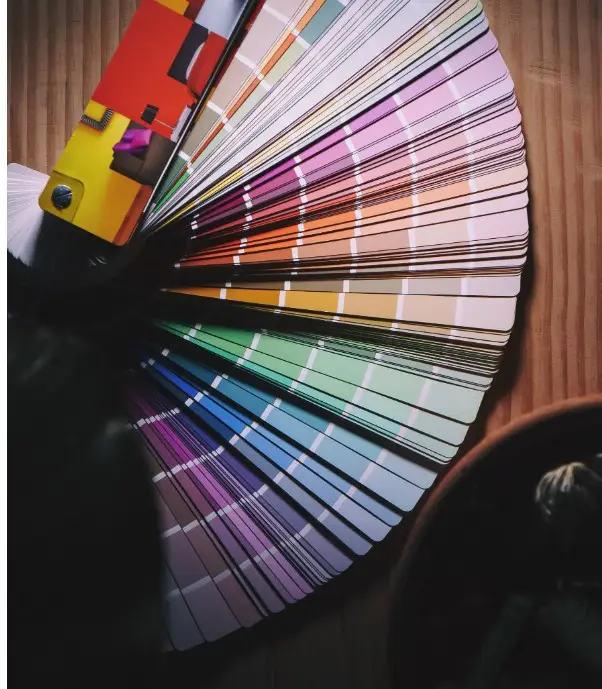
Standing in front of the mirror, bathed in natural light, the truth about your coloring can’t hide. Some tops wake up your skin and make your eyes pop. Others drag you down—no matter how much highlighter you layer on. That’s where color season analysis struts onto the scene, sweeping aside confusion with a clean, confident approach. Forget stuffy charts or mysterious codes. All you need are a few scarves or shirts in a mix of cool blues, warm golds, crisp whites, and soft ivories. Hold each shade up and study your reflection. Does your face look bright and rested, or washed out and tired? Pay attention to your undertones—pink hints mean you’re likely cool, while peach or golden notes whisper warm. If bold jewel tones sing, you might be a Winter; if you glow in autumnal shades, Fall is calling. Learning your season isn’t about rules—it’s about unlocking an easier, more personal way to shop, mix, and match. Style starts with color, and your palette is waiting right in your closet. Try it now—the compliments will follow.
Prepare your setup
Before you start your self-color analysis, a little preparation will save you time and give you better results. Proper setup means you’ll see your real tones and undertones.
- Good natural lighting – Do your analysis during the day when sunlight is soft but bright, like mid-morning or late afternoon. Avoid direct, harsh sunlight which can cast shadows and skew color.
- A mirror set up in front of a window
- Remove jewelry and glasses: Even clear or silver accessories can reflect color onto your skin. Bare skin gives the truest results.
- Wear a neutral top or drape a white towel around your shoulders: Patterns or colored tops can reflect light onto your face and give false results.
- Use a plain background: Sit in front of a white or neutral wall, curtain, or even a closed closet door. If that’s not possible, hang a light sheet or towel behind you.
- Makeup free, or no makeup; Going makeup-free will make it easier to identify your skin undertone and see how different colors look against your face.
- Hair Pulled Away Ideally, you want to keep it off or away from your face
- Gold and silver jewelry for the metal test; (you can use gold and silver wrapping paper)
- Clothing or fabric swatches in different colors: Look for solid tops, scarves, or even pillowcases in a variety of pure colors. Aim for classic basics—white, black, navy, true red, soft pink, camel, emerald green, and jewel-toned blues. You can use construction paper.
- Neutral clothing: Have a white T-shirt and a pure black or charcoal top. These are most helpful for comparing cool versus warm undertones.
- Notepad and pen: Jot down your reactions, like which colors make you look more awake and which wash you out.
Identify Your Undertone (are you warm, cool, or neutral?)

Jewelry Test
Grab some gold and silver jewelry (1 of each) and hold it against your skin. One will make you look more radiant and healthier, while the other will drain you or make your skin look uneven.
- If silver is better, you’re likely cool.
- If gold is better, you’re likely warm.
Note: If you have gold and silver wrapping paper, you can drape the two colors one at a time against your chin to see which one makes you look more radiant.
White vs. Cream
Using a bright white piece of fabric or paper and a cream piece of cloth (or paper), hold each one under your face, one at a time, and look for differences in your skin tone and complexion.
- If the cream side looks better, you lean warm.
- If the pure white side looks better, you lean cool.
- If it’s not obvious which is better, you may have a neutral skin tone.
Note: If your skin looks rosy or pink against the white paper, you lean cool. If it looks more yellow or golden against the white paper, you’re probably warm.
Note: Continue with the pure black or charcoal tops.
Keep notes of your results. If warm shades like orange work but magenta doesn’t, that’s a hint your skin is warm. If the reverse is true, that’s a cool undertone. Unsure? Swatch a few more colors and notice which ones bring out your eyes or make your skin look even.
Look at the skin on the inside of your forearm
The skin inside your forearm tends to be less tanned or pigmented by sun exposure, which can help you see your natural coloring more clearly.
- If your skin has a slight blueness, pinkness, or coolness, your undertone is likely cool.
- If your skin has a little yellowness or warmth, your undertone is likely warm.
- If you can’t tell, or your skin has a neutralness, your skin tone may be neutral.
The vein test
To try this method, turn your palm up to the ceiling and look at the veins on your wrist:
- blue or purple veins = cool skin tone,
- green viens = warm skin tone,
- a mix of both = neutral
It’s a good idea to try each of the methods listed above to get the most accurate picture of your skin’s underlying warmth or coolness. But, like I said, it can be tricky to identify without practice!

Clothing or fabric swatches in different colors: Are You Light or Deep?
Now let’s look at value—how light or dark your most flattering colors should be. Getting this right can make your skin look clear and healthy, while getting it wrong can make you look washed out or tired.
Here’s a simple way to check:
- Drape a light scarf or shirt (like icy pink or pale blue) under your face. Notice if your features pop or if you fade into the color.
- Switch to a deep, rich color (like navy, black, or burgundy). Watch if your skin glows or if the color overpowers your features.
Some signs to watch for:
- You suit light colors if: Your face looks fresh in pastels, soft whites, or light shades, and darks seem harsh.
- You suit deep colors if: Dark, rich colors make your eyes stand out and your skin even, while light shades seem to drain you.
This step points you to “Light” or “Deep” versions of the main color seasons.
Assessing Chroma: Bright vs. Muted Preferences
Chroma tells you if clearer, brighter colors or soft, muted shades work better on you. This difference can transform how alive you look.
Try this hands-on test:
- Pick one bright color (like clear red or cobalt blue) and one soft, muted one (like dusty rose or sage).
- Hold each color near your face, one at a time, in natural light.
- Look for how your skin reacts. Do you look lit up and focused with the bright, crisp color? Or do soft, hazy tones bring a gentle glow?
Watch for these clues:
- Bright colors work if: Your features pop, your eyes look clearer, and your skin looks smooth with rich, clean shades.
- Muted colors work if: Soft, “grayed” tones make your skin look even and subtle, while brights overpower you.
This test points you toward a “Bright” (sometimes called “Clear”) or “Soft” (muted) seasonal direction.
Identifying Your Dominant Seasonal Palette
Now, pull together all your clues: undertone, value, and chroma.
- Cool vs. Warm gives you a starting point (Winter/Summer are cool, Spring/Autumn are warm).
- Light vs. Deep helps decide the depth—do you go for Light Spring/Summer or Deep Autumn/Winter?
- Bright vs. Muted refines things further—are you Soft Autumn or Clear Spring?
Here’s a quick chart to help you match your traits with the main seasons:
| Undertone | Value | Chroma | Likely Season |
|---|---|---|---|
| Cool | Light | Soft | Summer |
| Cool | Deep | Bright | Winter |
| Warm | Light | Bright | Spring |
| Warm | Deep | Soft | Autumn |
Many people fit into a mix (like Soft Autumn or Light Summer). If you’re unsure between two, test those palettes with scarves or fabrics. The right season should make you look healthy, rested, and put-together—even without a stitch of makeup.
By building step by step, you zero in on the color family that works uniquely for you. Keep your notes and trust your gut reactions; your best shades will quickly become clear.
Assess Your Contrast Level (Are you Deep, Medium, or Light)
To do this, you need to look at the whole picture: your hair color, eye color, and skin tone. You want to look for differences in contrast between your features:
Deep (High Contrast) features
If there’s a distinct difference in shade between your hair, skin, and/or eyes, your features are in high contrast.

Medium (Medium/Moderate Contrast) features
If your features are medium contrast, there will be some noticeable differences between your hair, skin, and eyes, but it’s not dramatic.
Even though the colors are deep, they’re also quite close in darkness, creating a gentle blend with minimal contrast.

Light (Low Contrast) features
If your features are low contrast, they will be similar in depth; there’ll be no stark jump from light to dark.

Categorize yourself – identify your color season or tonal direction:
Once you’ve determined your undertone (warm or cool) and your contrast level, you can figure out which category best aligns with you:
Identifying your seasonal color category:
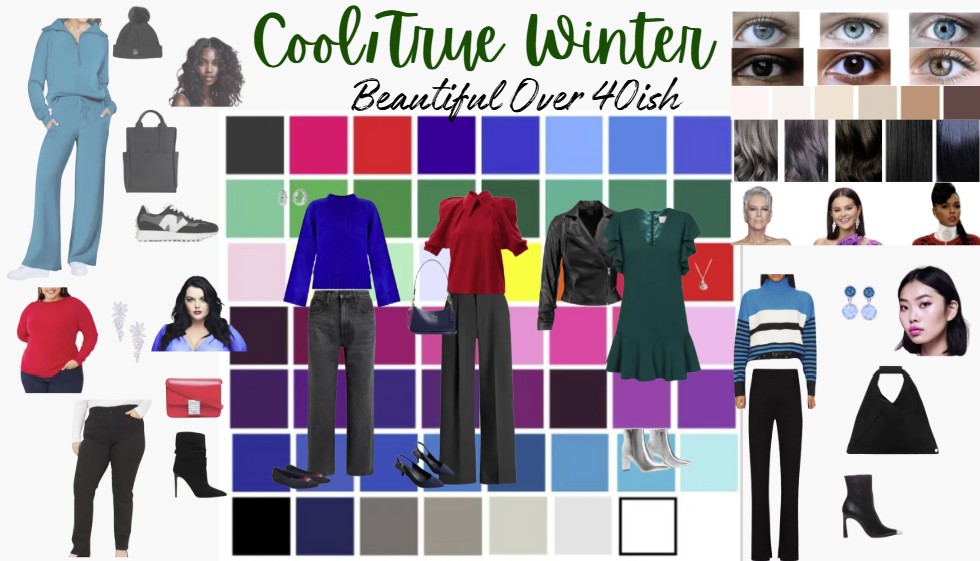
Winter season: High contrast features + cool undertone

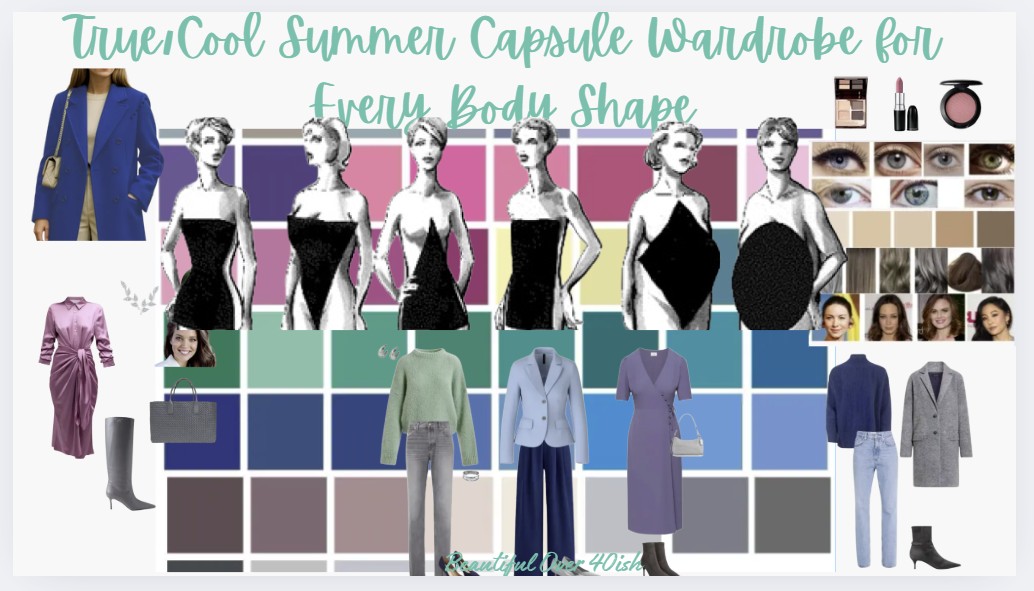
Summer season: generally have low – medium contrast features + cool undertone

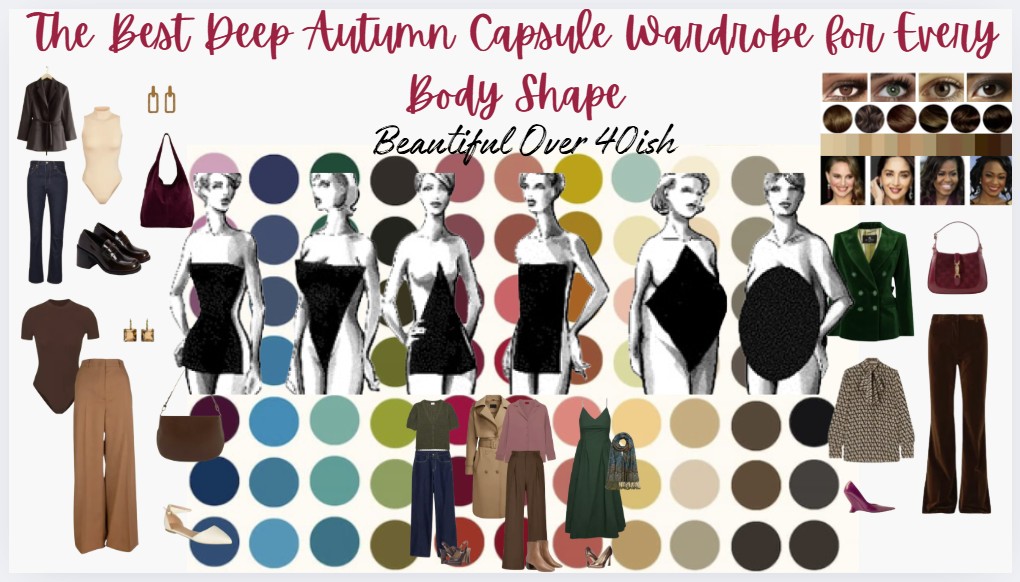
Autumn season: generally have Medium – high contrast features + warm undertone

Spring season: generally have medium contrast features + warm undertone

Identifying your tonal directions:
Light color palette:
- Key Trait: Overall lightness. Hair, skin, and eyes may range from fair to mid-tone, but generally, you appear “delicate” or lighter in contrast.
- Best Colors: Lighter, softer shades that don’t overwhelm your natural features; gentle pastels and lighter neutrals.

Deep color palette:
- Key Trait: Overall darkness. Hair, eyes, and possibly skin tone are deeper or more intense.
- Best Colors: Rich, deep hues (burgundy, navy, forest green, charcoal), which balance and mirror your deeper coloring.

Warm color palette:
- Key Trait: A golden or peachy undertone. Skin often appears more radiant in gold than silver, and hair/eyes may have a warm cast.
- Best Colors: Any color family that skews toward yellow/golden undertones—think earth tones, corals, warm greens, rust, and gold.

Cool color palette:
- Key Trait: A pink, bluish, or rose undertone. Skin looks more radiant in silver; hair and eyes can appear ashy or neutral rather than golden.
- Best Colors: Blue-based or cool-based colors—like icy pastels, true blues, pinks, purples, and cool grays.

Clear (Bright) color palette:
- Key Trait: High contrast in features. Perhaps bright eyes with darker hair or a complexion that pops with vivid colors.
- Best Colors: Clean, vivid hues and “jewel tones” (sapphire, emerald, ruby) or bright pastels with minimal gray undertones.

Soft (Muted) color palette:
- Key Trait: Gentle, blended coloring where nothing is sharply contrasted. Hair, eyes, and skin all flow together in a more subdued way.
- Best Colors: Muted, dusty, or toned-down shades (sage green, mauve, smoky blues, grayish neutrals) that echo your softer contrast level.
Choose your most dominant season or tone and use that palette as your guide.
What happens if you can’t identify your skin tone? What do you do if you think you might be neutral?
If you’re not sure if you look better in cool or warm colors, you could be neutral. This means it’s a bit harder to pin down your best shades, but you aren’t limited by strict rules. You can pull colors from both sides of the spectrum, so you get more freedom to try new things. When picking your clothes or makeup, enjoy experimenting. Test out different colors to see what feels right for you.
What is a Neutral skin undertone?
A neutral skin tone means you don’t see much pink or yellow in your skin. Your undertone feels steady, not too warm and not too cool. Some people with neutral skin might look a tiny bit peachy, olive, or golden, but nothing stands out much. If you can wear both gold and silver jewelry without one looking odd, you likely have a neutral tone. This balance makes finding makeup and clothes a bit easier since most colors suit you. Recognizing your undertone helps you pick shades that look natural and fresh.
How Neutral Undertones React to Color – how to test your color on a neutral skin tone
Since neutral undertones balance both warm and cool tones, you’ll find it easier to mix and match different colors. Still, keep a few things in mind when picking out clothes or makeup. Earth tones, soft pastels, and muted colors usually look great and won’t clash with your skin. Try to avoid shades that are too bright or too yellow, as they might throw off the balance. Stick with colors that feel comfortable and bring out your natural glow. Keep these tips in mind to make the most out of your neutral undertones.
- Pure neutral colors (like true red, teal, soft white, and charcoal gray) are most flattering.
- Colors that are too warm for you (mustard, warm oranges, tomato red) may look slightly off.
- Colors that are too cool for you (icy blues, stark black & white, neon pinks) can also appear harsh.
- Soft, muted tones (like taupe, dusty rose, and moss green) work particularly well.
- Universal colors that flatter both warm and cool undertones (e.g., teal, plum, pewter, soft rose)
The more you try different colors and pay attention to how your skin looks, the simpler it gets to find what works for you. With practice, you’ll notice which shades make your skin glow and which ones feel off. You start to spot patterns that help you choose clothes and makeup that flatter you most. This hands-on approach gives you confidence and makes everyday choices much easier.
The two most Common Mistakes in Identifying Your Color Season
Color analysis takes time and practice. You get better at spotting the right match with experience. Mistakes slow you down, so watch out for these common slip-ups. Don’t rely on poor lighting—colors look different in natural light than they do under bulbs. Skip rushing through your choices, since small differences can change a whole look. Avoid ignoring context; a color might look great on paper but not on you. Pay attention each time, and you’ll see improvement.
Mistake 1: Relying on Preference Instead of Analysis: Just because you like a color doesn’t mean it’s your best.
Everyone has favorite colors, but they don’t always flatter your skin or style. Sometimes you’ll wear a shade you love, but it just doesn’t suit you. On the other hand, you might avoid colors that would actually look great on you. Finding the right shades takes some trial and error, and it’s normal if your preferences don’t match what suits you best.
It’s fine to skip colors you don’t like, even if they suit you. Your wardrobe should feel like you, not just follow advice. Still, staying open during color analysis matters. Sometimes you find a color looks great on you, even if it wasn’t a favorite before. Being flexible helps you get the most out of your session and might surprise you in a good way. Try out new shades, then pick the ones that fit your style and comfort. That way, your palette is both flattering and something you’ll enjoy wearing every day.
Mistake 2: Looking at your overtone instead of your skin undertone
Getting your undertone right matters most when picking colors that suit you. Many people make mistakes because they look at their skin’s surface color, or overtone, instead of the undertone. Overtone can change with sun, skincare, or even how much sleep you get. Undertone, though, stays the same and sits below the surface. If you match makeup or clothes to your overtone, your choices could look off. Stick to your real undertone for the most natural and flattering results.
What is skin overtone?
Overtone is the color you notice first when you look at your skin. Sun, freckles, tanning, skin care, or makeup can all affect it. If you use overtone alone to decide if your skin is warm or cool, you might get it wrong. For example, a tan can make cool skin look warm. Always check your undertone with several tests, and do this in natural light for the best results. Don’t let surface color trick you—getting your undertone right helps you pick colors that look great on you.
Making the Most of Your Color Season
Finding your color season is only the first step. The real fun starts when you use your palette every day. Small changes—like picking the right shirt, blush, or necklace—help you look brighter and more pulled together, often without needing extra effort. When your colors are in sync, your skin looks clearer, your eyes sharper, and even basic outfits feel polished. Knowing your palette is like having a personal filter for real life—one that you control.
Building a Wardrobe Aligned with Your Palette
To dress for your color season, scarves have the most impact.
- Tops and scarves: These sit close to your face and have the most impact. If you’re a Light Summer, try soft blue or lavender shirts. Deep Autumns can go for rich olive or warm brown.
- Jackets and cardigans: Outer layers in your season’s colors instantly brighten your outfit. Swap a black blazer for cocoa brown if you’re a Warm Autumn or navy if you’re a Cool Winter.
- Accessories: Belts, hats, and bags in your palette add pops of color without a full makeover.
- Denim and basics: Even jeans come in different undertones. Soft, faded blues work for Summers, while deep indigos are great for Winters.
Choosing Makeup That Flatters Your Season
Makeup works magic when it matches your natural tones. The right shade can erase fatigue and make you look fresh, even in five minutes.
- Foundation: Stay as close as possible to your true undertone—cool, warm, or neutral. Test shades on your jawline in natural light.
- Blush: Cool-toned seasons like Summer and Winter glow in rosy pinks and berries. Warm-toned seasons like Spring and Autumn shine with peach or apricot.
- Eyeshadow: Winter and Summer can try slate blues, mauves, and grays. Spring and Autumn look great with earthy golds, soft greens, and warm browns.
- Lip color: Pick lipsticks you’d find in your palette. A Light Spring should reach for warm pinks or corals, while a Deep Winter rocks true red or berry.
Makeup doesn’t need to be bold to work. Even a light swipe of blush in a matching tone lights up your look. If you’re not sure, start with subtle shades. They often look far better than heavy makeup in clashing colors.
Accessorizing for Your Color Season
Accessories tie your whole look together. When they line up with your color season, everything clicks—even jeans and a white tee look thoughtful.
Here’s how to select them:
- Jewelry: Cool-toned seasons look best in silver, platinum, or white gold. Warm-toned seasons shine in gold, copper, or bronze. If you’re neutral, you can play with both.
- Scarves and hats: These are easy to swap with seasons or moods. Try layering a scarf in your best shade—like teal for Soft Summers or burnt orange for Warm Autumns.
- Handbags and shoes: You don’t need a rainbow of options. Choose two or three in your key shades so every outfit feels intentional.
- Eyewear: Glasses frames in the right color can frame your face beautifully. Look for frames in the undertones your palette loves.
Switching up your accessories is an easy—often budget-friendly—way to freshen your look without overhauling your whole closet. Even small details, like earrings or a watch band, can make a big difference.
Using your color season as a style filter is more than a trend. It’s a way to shop smarter, get dressed faster, and always look like the best version of yourself.
Have Fun with Your New Palette
Knowing your color season flips your daily routine from stressful to almost effortless. When you stack your closet with shades that flatter your skin, even a plain white Uniqlo tee or a red MAC lipstick feels intentional. Your whole wardrobe starts working for you. Shopping becomes sharper—no more wasted money on pieces that sit untouched or shades that wash you out. Each new choice builds on the last, and before you know it, your style feels more authentic. Try your palette, mix things up, and let your eyes steer the show. Share your go-to shades or any color wins in the comments below—you might help someone else nail their perfect look.

Discover more from Beautiful over 40ish
Subscribe to get the latest posts sent to your email.


Wonderful post!
Thank you!