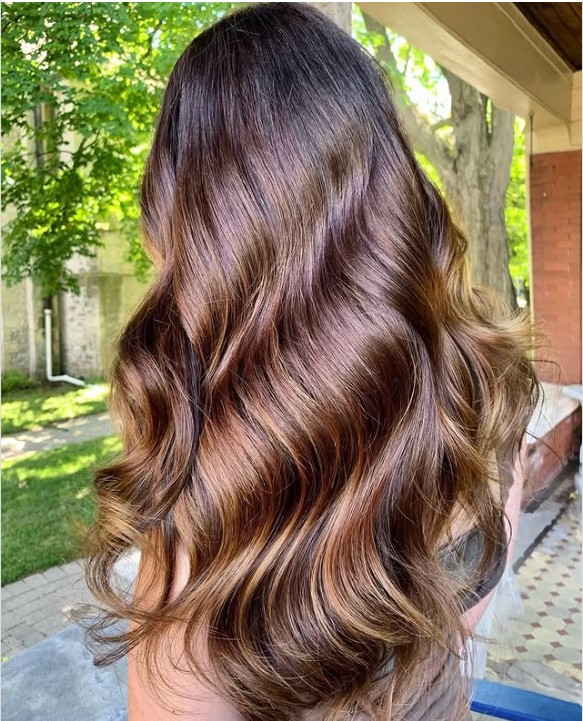
Choosing the right hair color for your skin tone is more important than most people think. Not only can the right shade enhance your natural features, but it can also brighten your complexion, soften fine lines and even make you look a few years younger—sometimes instantly. A well-chosen hair color that makes you look younger, helps your eyes stand out, boosts your confidence, and avoids that washed-out look that happens when the wrong shade competes with your undertones.
Many hairstylists agree: colors with warm or multidimensional tones tend to bring out your skin’s natural glow, while flat or too-dark colors can have the opposite effect. I’ve learned firsthand how even small changes in shade (like adding honey or caramel highlights, or stepping just two shades lighter) can lift your entire look. If you’re curious which shades can knock a few years off or want advice on how to find your best match, you’re in the right place.
Understanding Skin Undertones and Tones
Before you even pick up a hair swatch, it’s helpful to know a bit about skin tone and undertone. These are the building blocks for choosing a hair color that lights up your complexion, instead of washing you out or emphasizing shadows. Lots of people mix up the two but understanding both will simplify the process and make your color choice look way more natural. Undertone Test

What is Skin Tone vs. Skin Undertone?
There’s a difference between what you see on your skin’s surface and the tones beneath it. Your skin tone is the color you see in the mirror every day: fair, medium, olive, or deep. This is mostly what people notice first, and it can change a little depending on sun exposure or skincare.
The skin undertone, though, is the underlying hue below your skin’s surface. Think of it as the “background lighting” that doesn’t change, even if you tan or use bronzer. Undertones are usually divided into three main categories:
- Cool undertones: hints of pink, red, or blue
- Warm undertones: notes of yellow, gold, or peach
- Neutral undertones: a balanced mix, neither obvious cool nor warm
Why does this matter for hair color? Because certain shades will bring energy and freshness to your skin, while others might draw out shadows or even make you look tired. If you want a deep dive into the differences, this guide explains skin tone and undertone with real-life examples and photos. For more nuance between the two, see this breakdown on decoding the differences.
How to Determine Your Skin Undertone
Not everyone instantly knows their undertone. Luckily, you don’t need a colorist or high-end equipment. You can use a few everyday tricks:

- Vein color test: Look at the veins on your wrist under natural light.
- Blue or purple veins = cool undertones
- Green veins = warm undertones
- Hard to tell/mixed = neutral undertones
- Sun response: Does your skin burn fast or tan easily?
- Burn quickly = likely cool
- Tan easily = likely warm
- Burn then tan or in between = neutral
- Jewelry preference: Which looks better on your skin, silver or gold?
- Silver flatters = cool
- Gold stands out = warm
- Both look good = neutral
- White paper/clothing test: Hold a piece of pure white paper next to your face in natural light.
- Skin appears rosy or bluish = cool
- Skin looks yellowish or peachy = warm
- Hard to tell or both = neutral
If you want more help, try a skin undertone quiz for personalized guidance. For more step-by-step details, consult this skin undertones quiz by PopSugar or a practical visual undertone test on WikiHow.
Common Skin Tone and Undertone Combinations
Everyone’s skin is unique, but certain combinations pop up often, and each influences which hair colors will look most youthful or flattering. Here are some classic pairs and how they can affect your color selection:
- Fair with cool undertones: Often looks great with ashy blondes, cool browns, or true black shades.
- Fair with warm undertones: Soft gold, honey, strawberry blond, or light auburn add warmth and brightness.
- Medium with neutral undertones: Caramel, soft mocha, or beige blond highlight the complexion.
- Olive with cool undertones: Rich espresso, blue-black, or deep burgundy offer striking contrast.
- Deep with warm undertones: Chestnut, copper, and golden black bring out warmth.

Having a chart nearby is handy. For a quick reference, this color analysis cheat sheet shows many skin tone and undertone combos, including the best tones to try. Curious about makeup too? This foundation matching guide gives more ideas. If you’re still not sure, a more detailed tone and undertone guide can help you pin down where you fit.
Choosing a hair color that makes you look younger starts by knowing your basics—once you have your tone and undertone figured out, you’re halfway to finding shades that truly suit you.
Best Hair Color Choices for Each Skin Undertone
Once you figure out your skin’s undertone, choosing a shade that makes you look fresh and vibrant becomes less of a guessing game. The right hair color can lift your features, bring out your eyes, and even make your skin look smoother and more radiant. Let’s break down which colors work for each undertone—and why they work so well.
If your skin has pink, red, or blue undertones, certain hues will always complement you better. Think crisp, icy, or pure tones rather than anything with a yellow or gold base.


Some top picks for cool undertones:
- Ash Blonde: Cooler blondes like ash and icy blonde balance pink tones in skin without making you look red or ruddy. They give your complexion a clean, bright vibe. See more examples in this guide to hair colors for cool skin tones.
- True Red: If you like bold choices, go for a clear, blue-based red (think cherry or true crimson), not copper or auburn. These colors pop against cool skin and don’t clash with your natural tones.
- Blue-Black: Deep, inky blacks with a blue or violet sheen look chic and prevent dullness. These dramatic shades emphasize the clarity of cool undertones and add striking contrast.
- Platinum: Pure, silvery white adds a high-fashion touch and flatters without yellow or peach, giving you that “glass skin” effect.
- Sandy Blonde or Burgundy: These are also solid picks for cool undertones, and you can check out this detailed guide by Garnier for more color ideas.
Colors to skip: Anything with gold, honey, or copper, as they usually add unwanted warmth.


Best Hair Colors for Warm Undertones
Skin with yellow, peach, or golden undertones loves hair colors that mirror that same warmth. Shades with golden, caramel, or deep honey notes tend to look healthy and sun-kissed—never dull or flat.


Try these shades if you have warm undertones:
- Golden Blonde: Shimmery, golden tones highlight your skin’s natural bronze or sunny cast. They boost luminosity and pair well with freckles or a tan. For a deeper dive, check out L’Oréal’s advice on hair colors for warm skin tones.
- Caramel / Honey Blonde: These hues are go-to options for a natural but youthful look. Their hints of gold bounce light off the face, making skin look fresh and glowing.
- Copper or Strawberry Blonde: Red tones with strong orange or golden base show off the warmth in your complexion. They look especially striking on lighter, warm skin or those with a lot of earthy undertones.
- Rich Browns (Mocha, Chestnut): Browns with gold or red reflect best, building depth without looking harsh. These hues soften lines and flatter the eyes.
- Warm Mahogany or True Black: Even darker shades with warmth like deep mahogany or true black add gloss, not gloom, and bring an elegant shine. More inspiration? You can see additional color matches at Hair.com’s warm undertones guide.
The science is simple: warm tones reflect the same wavelengths as your skin’s undertones, so everything looks cohesive and glowy instead of jarring or sallow.
Best Hair Colors for Neutral Undertones
When you have neutral undertones, you’ve hit the jackpot when it comes to hair color freedom. You can pull off almost any shade because your skin isn’t fighting against cool or warm hues.
A few of the most flattering options for neutral undertones include:
- Neutral Browns: Soft brown, taupe, or beige blend seamlessly and keep things looking balanced. These are perfect for simple, natural looks that always flatter; here’s a list of the best hair colors for neutral skin tones.
- Beige or Soft Blonde: Blondes without too much gold or ash enhance neutrality, keeping your look bright and easygoing.
- Fashion Shades: You can experiment—mauve, peach, icy blue, even rose gold. Neutrals make great canvases for trend colors, which is why celebrity colorists often suggest trying bold tones if you’re feeling adventurous (more tips here).
- Subtle Reds or Auburn: Not too warm or too cool, these add interest while still letting your undertone shine through.
With neutral skin, you’re not boxed in. Choose colors that reflect your style—and don’t be afraid to mix it up as trends change or seasons shift. If you’d like additional ideas, StyleSeat has a thoughtful hair color guide by undertone worth bookmarking.
The simplest tip: stay close to soft, muted, or balanced shades that don’t veer too gold or too ashy. This lets your unique undertone do the work and keeps your overall look harmonious and fresh.
Popular Hair Color Trends for 2025 by Skin Tone
If you’re thinking about ways to refresh your look in 2025, hair color is one of the fastest, most dramatic ways to do it. The right shade does more than cover grays—it boosts your style, frames your face, and brings light to your features. This year, trendy colors are all about feeling natural but multidimensional, with bold pops for anyone wanting something extra. Here’s a breakdown of the most buzz-worthy hair color trends for each skin tone and undertone, so you can confidently pick a look that not only turns heads but also works for your complexion.
Warm-Toned Trends: Golden Browns, Sun-Kissed Balayage, and Spicy Copper

Warm undertones look alive when paired with equally radiant hair colors. For 2025, you’ll see stylists recommending warm, sun-drenched hues that mimic that “I just got back from a vacation” feeling.
- Golden Browns are everywhere: think rich, honeyed chestnuts and shimmery maple. These tones add youth and glow, especially on medium to deep warm skin. They’re super flattering and never look flat.
- Sun-Kissed Balayage is a low-maintenance way to bring light to your hair. Caramel, bronze, and soft golden highlights melt into a darker base for a natural, beachy finish. If you’re looking for inspiration, check out Glamour’s list of buttery and soft blondes with natural warmth.
- Spicy Copper is turning heads in 2025. From deep cinnamon to Ginger Spice, these coppery reds add vibrancy and boost brightness, especially if your skin has gold or peach undertones. Vogue singles out Ginger Spice as a must-try for warm shades this year.
What’s great is that these colors mirror the warmth in your skin, so your face never looks sallow. Plus, multi-tone finishes (think soft highlights and blends) create a healthy, dimensional effect, not a harsh contrast.
Cool-Toned Trends: Icy Blondes, Smoky Brunettes, and Jewel-Toned Accents

Cool undertones stand out best with shades that play up pink or blue hues in the skin. Stylists are seeing a surge in cool trends this year—think sleek, modern, and a little edgy.
- Icy Blondes dominate: Silver, platinum, and icy beige create a clean, luminous effect. These have a high-fashion vibe that’s striking on fair and medium cool skin. Glamour names lived-in platinum and buttery variations as the “it” blondes for 2025 (see their full color guide).
- Smoky Brunettes are getting lots of love. Think espresso, cool mocha, or ashy taupe. Smoky reveals movement without any brassiness, which keeps pink or blue undertones looking fresh. Vogue highlights this chic cool brunette trend for 2025.
- Jewel-Toned Accents (peacock blue, violet, emerald green) are big statement makers. They show up as face-framing streaks, color melts, or hidden panels. These work especially well on cool, pale, or olive skin, focusing the pop of color away from any redness.
If you want to look youthful with cool undertones, keep to cool shades—these will always look the most harmonious on your skin.
Universal and Experimental Trends: Bold Reds, Pastels, and Hidden Color Panels
Some trends ignore the “rules” and aim to personalize your look, no matter your undertone. The right tweaks (a warmer or cooler base, placement of color) mean almost anyone can try these out with confidence.
- Bold Reds—from deep cherry cola to bright firetruck—are trending for every undertone, with stylists custom-mixing to boost eye color or complexion. For more on bold reds and how everyone’s wearing them, see Vogue’s take on the cherry cola hair trend.
- Pastels (think lavender, peach, mint) make hair look whimsical and soft. The trick is in the undertone of the color—ask your colorist for a warm pastel if you have golden skin or a blue-based pastel for cool tones. PerfectCorp’s 2025 trends lineup covers how pastels can be worn year-round.
- Hidden Color Panels pop underneath your natural color and peek out when you move. This is a top pick for anyone who loves surprises or wants a bold edge at work or after-hours.
With these expressive choices, the key is customization. Your stylist can play with placement and shade so the trend feels fresh, not forced, no matter your skin tone.
Whether you’re drawn to warmth, crave crisp brights, or want to try something outside the box, 2025’s color trends have something exciting for every undertone. Feeling inspired yet?
Expert Tips for Choosing and Maintaining Your Perfect Hair Color
Once you’ve figured out which hair color makes you look younger, it’s time to talk about the “how.” Expert colorists agree: the right tools and aftercare are what make a color transformation truly flattering and long-lasting. If you want your new hue to look as fresh and vibrant as it did in the salon, strategy matters. Here are practical suggestions for previewing colors and keeping your shade as lively as possible.
Try Before You Dye: Virtual Tools and Temporary Colors
Modern technology makes it easier to “test drive” hair colors before you even visit a salon. Virtual try-on tools use your own photo or live camera feed to help you see potential shades in real time. It’s a practical way to experiment, lower your risk of disappointment, and boost your confidence when picking that youthful color.
Here are some ways to preview your new look:
- Virtual Hair Color Try-On: Upload a photo or use your webcam, then scroll through hundreds of options instantly. This is perfect for narrowing down favorites before you buy any dye or book an appointment. Check out Garnier’s easy-to-use Virtual Hair Color Try-On Tool or use the one offered by L’Oreal Paris Virtual Try-On.
- In-Store Hair Try-On: Many beauty retailers, like Ulta, now have digital kiosks or online hair try-on experiences so you can play with options while you shop.
- Temporary & Semi-Permanent Dyes: Test bold shades or refreshing tones at home. These washes-out-in-a-few-weeks colors let you experiment with zero commitment, making them ideal if you’re eyeing a big change but nervous about permanence.
Trying colors this way can help you dodge bad choices and skip the “wait for it to grow out” regret.
Color Care and Maintenance: Keeping Your Shade Vibrant
Once you’ve committed to your perfect—which usually means youthful—hue, the real work begins: maintenance. Even the best salon color fades without proper care. The good news is, maintaining radiance is simple if you know the basics (and bring home the right products).
 Photo by cottonbro studio
Follow these trusted tips for vibrant color:
- Choose Color-Safe Shampoo and Conditioner: Not all products are gentle enough for dyed hair. Look for sulfate-free formulas designed for color-treated locks. Paul Mitchell’s color-friendly collection is a favorite among stylists, and Pureology’s vegan, sulfate-free range is recommended for both vibrancy and moisture.
- Wash Less Often: Overwashing strips pigment and moisture. Try washing your hair two to three times a week to help the color last longer.
- Use Cool Water: Hot water opens up the hair’s cuticle, making it easier for pigment to wash away. Stick with cooler rinses after shampooing.
- Protect from Heat: Styling with hot tools can fade color fast. Use a thermal protectant before blow-drying or flat ironing.
- Regular Salon Visits: Schedule touch-ups or gloss treatments every few weeks. These refresh your shade and help your color stay “salon-new” for longer. Ask your stylist for advice on timing based on your specific shade and hair health.
- Weekly Deep Conditioning: Colored hair needs extra hydration. Try a weekly mask made for color-treated hair—a top list of best shampoos for colored hair includes deep conditioners tested by beauty editors.
Investing in good products and some easy routines will not only keep your shade true, but also make hair softer and shinier—two things that always translate to a more youthful look. Keeping up with thoughtful aftercare pays off every time you glance in the mirror.
Hair color isn’t just about covering gray or keeping up with trends—it’s a way to signal confidence, style, and even youth. The most uplifting results happen when you choose a shade that fits your skin’s undertone and reflects your personality. A touch of warmth in a golden brown or caramel, or a crisp icy blonde, can bring out the best in your features and easily shave years off your appearance.
The science and trends are clear: multidimensional, thoughtfully chosen colors always look softer and more modern than one-tone shades. Today’s options make it easy to try something new, whether you go for a subtle change or a bold new hue (with plenty of virtual tools and temporary colors, there’s really no reason to play it safe out of fear).
The best advice? Pick something you love and wear it with confidence. Every face tells its own story, and your hair color should help you tell it exactly how you want. Thanks for reading—share your favorite youthful color tricks below and tag us if you try something new!

Discover more from Beautiful over 40ish
Subscribe to get the latest posts sent to your email.


But…I don’t want platinum hair. But metal yes. Great post.
Thanks!