Some artists always seem to pick colors that just feel right together. It’s not just a lucky guess—there’s a method behind the magic called color theory. The secret often lies in using the color wheel and tried-and-true color harmonies. These formulas help you pick sets of colors that fit well, whether you want your art to spark energy, feel calm, or tell a story. When color harmony is missing, artwork can come across as flat, confusing, or distracting. Get your colors working well together, and you’ll see your images gain balance, emotion, and clear direction.
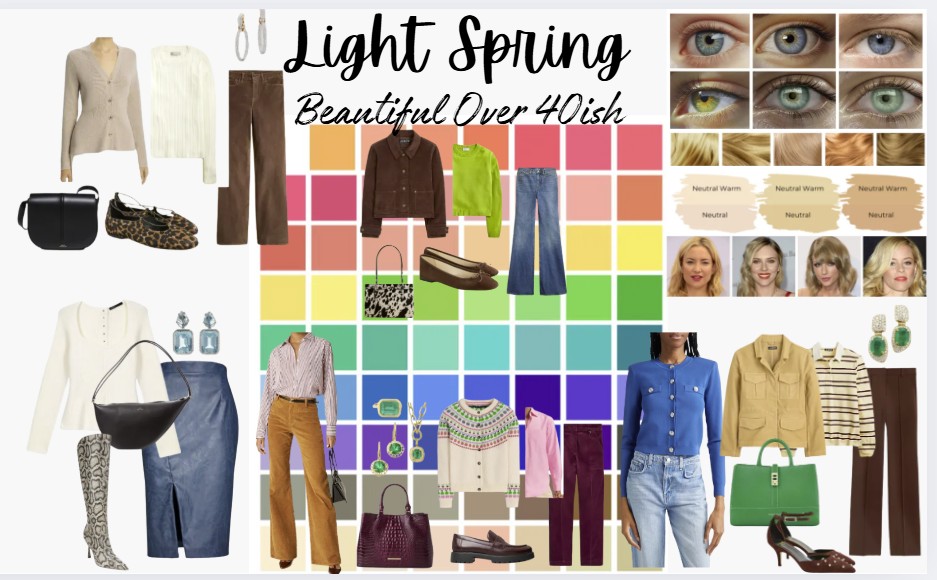
A bright splash of crimson on a beige sweater grabs attention and feels bold because strong contrast draws the eye. Crimson brings instant energy next to the calm tone of beige, while the neutral background lets the color pop. A room painted sky blue feels open and cool, giving your mind space to relax, almost like fresh air after rain. Pull on a cardigan in zesty citrus shades and you send a jolt of fun and motion into any outfit. Color shapes how we dress, decorate, and even show up online. When you learn how colors work together, you choose with purpose—not just by habit. This skill helps you mix and match with confidence, trying new styles that often pay off. Color theory isn’t just for artists; it makes everyday choices stand out. If you’ve never paid attention to color before, maybe it’s time to play around and see what happens.
The Color Wheel Explained
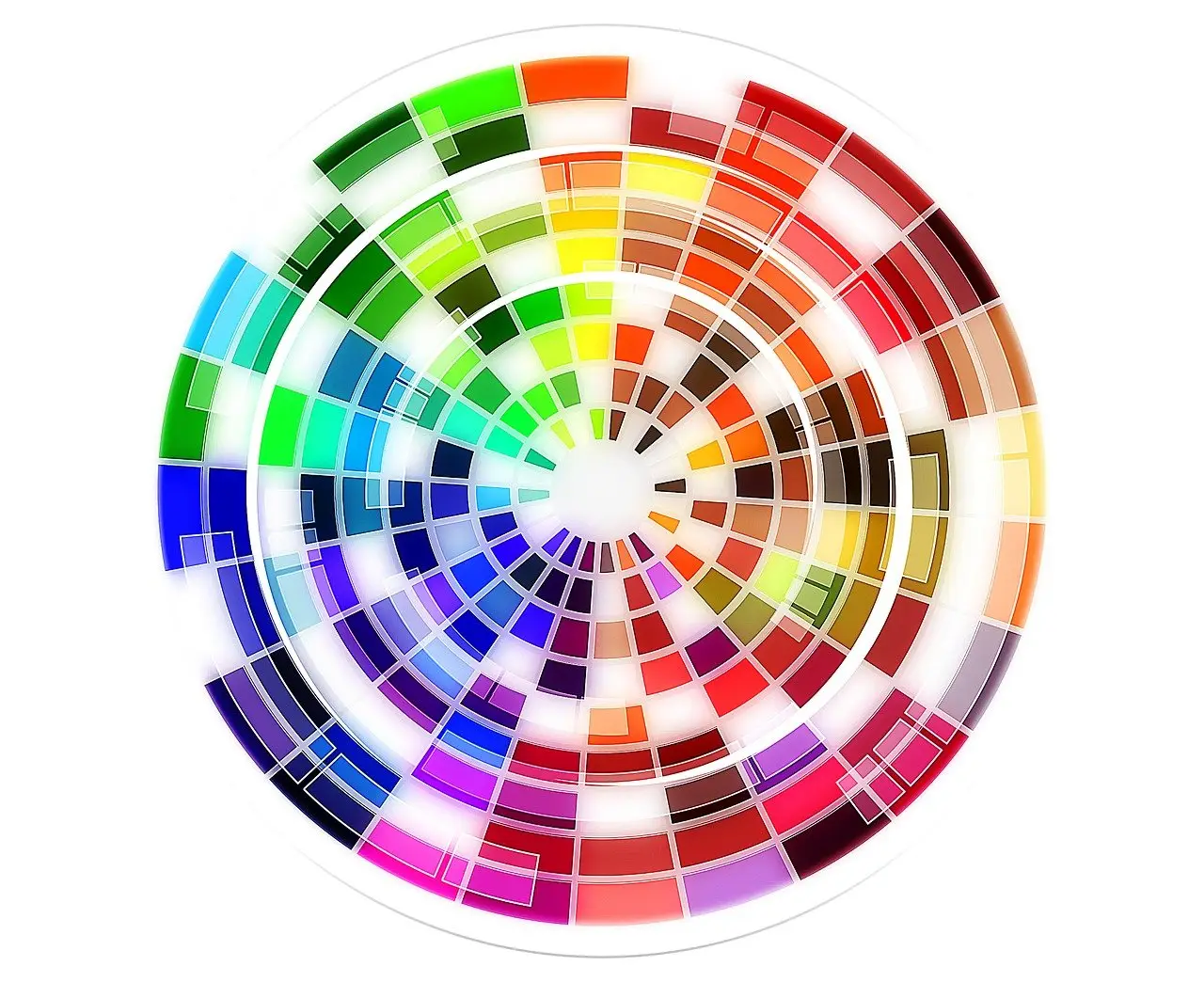
The classic color wheel is a favorite tool for anyone who cares about style. Think of it like a kaleidoscope, breaking white light into bold, simple colors. Sir Isaac Newton’s first color circle became the base for today’s wheel with twelve clear hues. It looks neat and easy to use, like picking outfits from a well-organized closet. But it’s not the only tool out there. Artists and designers now use many kinds of color wheels and systems to get even more shades and moods from their mixes. Looking beyond the basics opens up fresh ways to play with color.

Primary, Secondary, and Tertiary Colors
- Primary colors: Red, blue, and yellow. You can’t make these by mixing other shades; they’re the starting point.
- Secondary colors: Orange, green, and purple. These come from mixing equal parts of two primary colors (red + yellow = orange, blue + yellow = green, red + blue = purple).
- Tertiary colors: Six hues that sit between primary and secondary—think red-orange or blue-green. These shades add depth and dimension, much like accessories finishing an outfit.
Remember those color lessons from school? Red, blue, and yellow are the basics, the primary colors. They mix to form green, orange, and purple, the secondary colors. Put these colors on a wheel, and the way they sit next to each other shows how well they work together. This simple system helps you pick colors that look good together, whether you’re painting, decorating, or putting an outfit together. It’s a handy guide that keeps things balanced and easy on the eyes. Give it a try the next time you want your colors to stand out.

When picking color combinations, the old-fashioned color wheel still does the heavy lifting. It’s a simple tool that shows how colors relate and why some pairs just look good together. Artists and designers use it to avoid clashing colors and build balance. Whether you’re mixing paint or picking colors for a website, the wheel keeps things clear and makes choices easier. If you want your work to feel calm, bold, or fresh, stick with the basics and let the color wheel guide you.

There are four main qualities of each color on our wheel:
- Hue: The color’s position around the wheel and the brightest, purest version of that color. Our wheel uses twelve main colors, but we can also work with all the hues in between.
- Saturation: Also known as intensity or chroma. It indicates how vibrant a color is. A desaturated color appears greyed out and dull, while a saturated color is vibrant and strong.
- Value: Tells us how dark or light a color is. We can create shades by adding black, tints by adding white, and tones by adding grey.
- Temperature: The color wheel can be split into warm and cool colors. Individual colors can also change in temperature as we move around the wheel. For example, a warm red includes more yellow, while a cool red includes more blue.
By combining hue, saturation, value, and temperature, we get a vast array of variations of each of our twelve main colors.
How do we use all these colors together?
You can take the twelve main colors from the color wheel and use a few simple formulas to build eye-catching palettes. These formulas, called color harmonies, help you pick colors that look great together. With the right mix, your color choices feel natural and balanced—never random or harsh. That’s the secret behind most design work, whether for a logo, website, or your living room walls. Give it a try and see how quickly your color sense grows.
Color Relationships and Harmonies
Picking colors feels as personal as picking jewelry, but the color wheel brings much-needed structure. Three classic schemes show up again and again. Complementary uses colors across from each other for bold contrast. Analogous focuses on colors that sit side by side for a softer look. Triadic uses three equally spaced colors for balance and energy. Once you see these schemes, it’s tough to forget them. Give them a try next time you need to pick a palette.

Complementary Colors
Complementary colors face each other on the color wheel—red and green, blue and orange, yellow and purple. When you use these pairs together, the contrast pops. Picture a bright green scarf on a red coat. That combo almost jumps out at you. This can work well for bold designs or making something stand out, but too much can get loud fast. If you want something softer, try less intense pairs or break them up with neutrals. Color choices shape how people feel about what they see, so pick what matches your style. Have you ever seen a combo that stuck with you?
Common Color Harmonies
- Monochromatic: Uses just one base color or hue from the wheel, with different shades, tones, or tints to create a cohesive group of colors. It’s simple, organized, and elegant.
- Complementary: Uses two colors from opposite sides of the wheel, such as red and green or blue and orange. Great for creating strong contrast.
- Split-Complementary: Similar to complementary, but one of the colors is split into two nearby colors, maintaining high contrast while adding variety.
- Analogous colors: These are neighbors on the wheel—like blue, blue-green, and green. Choose them for harmony and flow. Picture sea-toned suiting or a golden ombré wall. Uses two to four colors next to each other on the wheel. Simple and appealing, best when one color is dominant and others are accents.
- Tetradic: Consists of four colors in a rectangle shape, made up of two pairs of complementary colors. Works best when focusing on one main color with the others as accents.
- Triadic colors: Grab three hues equally spaced around the wheel, like red, yellow, and blue. It’s a power play—energetic, balanced, and bold, like a color-blocked runway look. Use it to make graphics pop or to amp up classic interiors. Uses three colors evenly spaced around the wheel, forming a triangle. These combinations are often bold and vibrant.
The Role of Warm and Cool Colors
Color speaks loud without a word. Warm tones like red, orange, and yellow fill a space with life. Throw on a marigold jacket, and people notice. Cool colors like blue, green, and purple bring a sense of calm. A mint blouse or powder-blue walls can ease stress and help you relax. When you pick your colors, you set the mood for yourself and everyone around you. Try it—see how it feels.
- Warm colors: Energize, excite, attract attention.
- Cool colors: Calm, relax, and open up spaces.

Warm colors like soft reds, oranges, or golds pull a room together and make it feel inviting. If you want to stand out, grab a bright scarf—bold colors draw attention in seconds. Cool tones, like blues and greens, help calm busy spaces. They’re great for a modern look without feeling cold or empty. Color isn’t just a detail; it shapes how you feel and how others see a space. Try a new color and notice how it changes the mood.
Practical Applications of Color Theory
You don’t need a background in fine art to play with color theory:
- Fashion: Layer analogous shades for subtle style, or rock complementaries for drama.
- Interior design: Use triadic schemes for playful rooms or stick to cool hues for spa-like calm.
- Digital design: Tools like Adobe Color let you preview palettes before you commit.
Let your wardrobe, website, or living space reflect not just your personality but your eye for smart color play.

Discover more from Beautiful over 40ish
Subscribe to get the latest posts sent to your email.