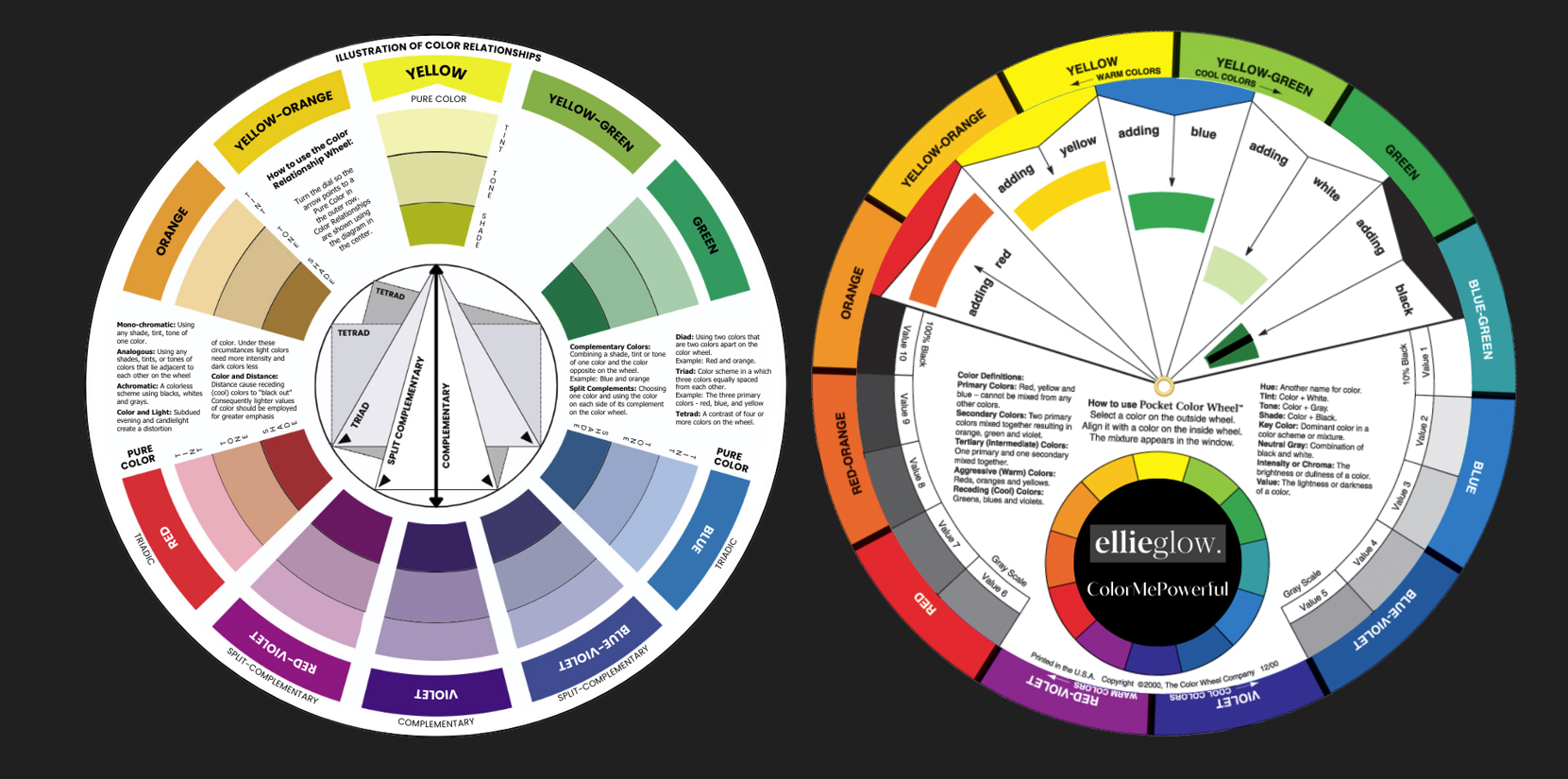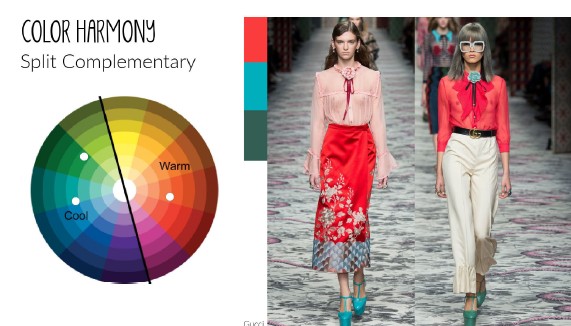
Color can transform an outfit from plain to unforgettable. The right combination catches eyes and starts conversations. For those tired of safe, predictable palettes, split complementary color schemes breathe new life into daily dressing. This method uses three colors for instant balance and bold contrast, setting you apart from the crowd. Unlike typical combos, split complementary outfits offer energy without chaos, sophistication without stuffiness. (Note: Choose colors within your color season.)
Color harmony isn’t just for artists or designers. It’s a key trick used by stylists, influencers, and anyone who wants their look to stand out. Split complementary outfits make it surprisingly easy to blend boldness with style, getting compliments with little effort.

Understanding Split Complementary Color Schemes
Let’s break this down. Picture a simple color wheel—a circle featuring all hues, arranged like slices of a pie. Classic complementary schemes use two colors from opposite sides of the wheel, like red and green. This is high-contrast, but it can get harsh fast.
Analogous schemes are groups of neighboring colors (think blue, blue-green, green). These offer calm, almost monochrome harmony, but sometimes they feel too safe.
Split complementary takes a dominant color and pairs it with the two shades on either side of its direct opposite. For example, pick blue, then mix it with yellow-orange and red-orange. It’s a trio made for impact, offering tension and unity in one move. The result feels energetic but not offbeat, playful yet intentional.
Why Choose Split Complementary for Outfits?
Split complementary outfits draw attention without looking loud or clashing. The interplay of three thoughtfully chosen colors brings energy, movement, and depth to your look. Unlike one-note monochromatic styles or high-contrast complements, this approach walks the line between striking and wearable.
The real beauty is versatility. With three colors in play, styling options expand. You can use one as your lead, let another play backup, and use the third for accenting details—think belts, bags, or scarves. Every piece in the ensemble gets a purpose, echoing the designer eye for balance.
From streetwear to office wear, split complementary fits every wardrobe mood. No wonder stylists lean on this rule to dress clients for red carpets and Instagram feeds alike.
How to Build a Split Complementary Outfit
1. Start with the Color Wheel
Find your main color. Maybe it’s the emerald green of a bomber jacket or the lilac tint of a silk blouse.
2. Identify Complementary Colors
On the wheel, spot the main color’s opposite. Instead of grabbing that direct color, pick the two shades right next to it.
3. Select Hero and Supporting Pieces
Let your main color command the most visual real estate. Use the secondary hues in smaller doses—bags, shoes, cuffs, or a bold lipstick.
4. Balance Intensity and Neutrals
You don’t have to wear all three as bright as the sun. Tone down one or more if needed. Neutral base layers (white tees, black jeans) calm the palette and let colors shine without overpowering.
5. Avoid Common Pitfalls
- Don’t let colors fight for attention. One should always lead.
- Skip matching every accessory to your palette. Too much coordination feels forced.
- Beware of clashing textures or patterns, especially when experimenting with bold hues.
Tips for Different Skin Tones and Seasons
- Warm skin tones: Try peach as your lead, with cool teal and mellow lavender accents.
- Cool skin tones: Start with cobalt, tapping into soft chartreuse and coral.
- Spring/Summer: Opt for clear, bright versions (turquoise, poppy red).
- Fall/Winter: Look for muted, rich shades (mustard, forest green, cranberry).
Inspiration: Real-Life Split Complementary Outfit Ideas
Need a visual nudge? Try these combos:
- Work Ready: Navy blazer, pumpkin-hued top, subtle mint shoes.
- Casual Vibes: Olive hoodie, blush sneakers, brick red cap—casual doesn’t have to mean drab.
- Evening Event: Cobalt midi dress, chartreuse clutch, orchid lipstick.
- Street Style: Lemon yellow tee, plum skirt, pastel aqua crossbody.
Bold statement or quiet sophistication, it’s your call. Even a peek of color in a statement earring or lining can make the whole look pop.
Quick Do’s and Don’ts of Split Complementary Styling
Do:
- Let one color star as the main focal point.
- Use neutrals to ground the look.
- Test colors in natural light.
- Play with texture—leather, wool, silk—to add depth.
Don’t:
- Mix three equally bold items (unless that’s your runway moment).
- Ignore your undertones—make sure the colors flatter you.
- Forget about scale. Small accents can have a big impact.
Split complementary color outfits open up new style territory. With just three colors, you can add drama, depth, and harmony to your wardrobe. The best part? There are no style police—just your own sense of adventure. Share your boldest split complementary looks online or tag a friend ready to step outside the monochrome zone. Fashion loves those who take risks—why not let color lead the way?

Discover more from Beautiful over 40ish
Subscribe to get the latest posts sent to your email.