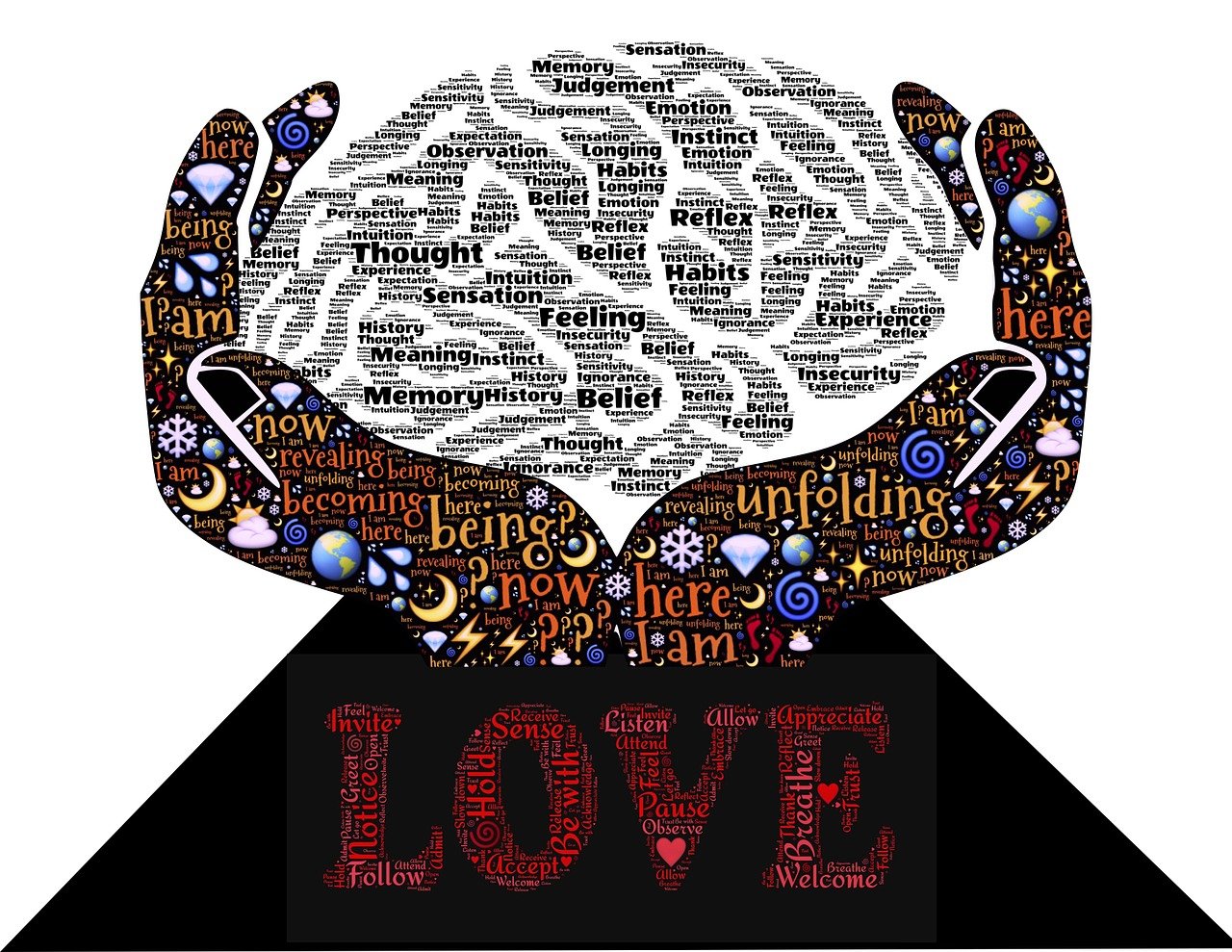
Heartbreak, setbacks, and uncertainty—life throws punchy surprises that can shake your core. Meditations for self-care and emotional resilience is what helps you bounce back and keep shining, even when everything feels a bit too much. It’s more than a buzzword; it’s your personal power to adapt, recover, and thrive through stress, loss, and everyday struggles.
Smart self-care habits sit at the heart of real resilience. Meditation is a bold standout—simple, free, and proven by research to help you balance mood, reset your mind, and soften life’s hard edges. Get ready to explore twelve guided meditations, each crafted to strengthen your emotional muscles and upgrade your self-care game.

Watch a quick guided emotional resilience meditation on YouTube for extra support.
Understanding Emotional Resilience in Everyday Life
Let’s get real: emotional resilience is like your personal shock absorber for life’s messy curveballs. It’s what keeps you standing after disappointment, heartbreak, or a draining week that feels like it won’t end. Most of us wish for a calm, stress-free day, but modern living has other plans. So, what gives some people that “bounce back” factor, while others get stuck in worry or sadness? It all traces back to emotional resilience—your hidden superpower that can be strengthened and styled to fit your unique story.
What Is Emotional Resilience?
Emotional resilience is the ability to stay steady and recover when stress, setbacks, and big changes land without warning. Think of it as your mind’s stylish trench coat, protecting you from emotional downpours. Rejection at work, an argument with a friend, or those days where nothing seems to click—they all call for the skill to adapt, reflect, and move forward with clarity.
Resilience is not about avoiding pain or pretending nothing hurts. It’s about facing challenges and bouncing back, sometimes stronger than before. According to the American Psychological Association, resilience comes from how you think, act, and connect with others—not just your personality or past. For a deeper breakdown of the concept and proven ways to build it, check out this comprehensive guide to emotional resilience.
Everyday Moments That Demand Emotional Strength
Some days, resilience is as subtle as brushing off a rude comment. Other days, it’s about rebuilding after financial loss or sudden grief. Here’s a quick list of situations where emotional resilience shows up:
- Losing a job or facing rejection at work.
- Breakdowns in relationships, like tough conversations with family or friends.
- Unexpected change, such as a move, breakup, or health scare.
- Daily hassles—traffic jams, missed deadlines, or spilled coffee on your new jacket.
- Big transitions, like becoming a parent or switching careers.
These are the moments that test our coping skills and reveal how flexible (or rigid) our thinking is. More examples can be found in this resource discussing common situations requiring emotional resilience.
Benefits of Boosting Your Emotional Resilience
Why invest in building this internal muscle? Because resilience is both fashionable and functional for your well-being—think sleek design meets high performance. Here’s what emotional resilience does for your personal and professional success:
- Reduces stress and helps you bounce back from tough days faster.
- Strengthens confidence, so you recover from criticism without spiraling.
- Improves decision making under pressure—no rash choices after a bad day.
- Protects your mental health, lowering the risk of anxiety and burnout.
- Deepens relationships, giving you the patience to support others as well as yourself.
In the workplace, resilience fuels adaptability and creativity, letting you pivot without losing poise. In your personal life, it softens anxiety and sharpens your sense of purpose. Want more details on why developing emotional resilience matters? Read this guide on the benefits of greater emotional resilience.
Building this strength isn’t about ignoring messy emotions—it’s about styling your response, so setbacks add dimension, not drama, to your life.
How Meditation Builds Emotional Resilience
 Photo by Thirdman
Meditation isn’t just a “pause button” for your mood. It’s more like an active runway show for your mind—strengthening your mental wardrobe with each session. Science shows that regular meditation actually rewires the brain, giving you more control when stress and drama knock at your door. From reducing reactivity to soothing anxiety, meditation turns self-care into serious power. Here’s how your brain and mood get a real-life upgrade every time you sit and breathe.
Brain Changes Behind the Calm
The magic starts in the brain. Mindfulness meditation is famous for boosting connectivity between key regions that handle emotion and self-control. With repeated practice:
- The prefrontal cortex (your decision HQ) grows thicker, supporting improved focus and self-checks.
- The amygdala (your panic button) shrinks down in activity, so stress feels less overwhelming.
- The hippocampus (think emotional memory) becomes more robust, helping you process and file away the rough days without getting stuck.
According to new research, meditation can spark changes in deep brain areas tied to memory, impulse control, and emotional regulation. This isn’t wishful thinking—brain scans and studies prove these changes, even after a few months of practice. Read more on the science behind these shifts in this article on meditation-induced brain changes and emotional regulation.
The Science of Stress Reduction
Stress is sly. It creeps into your body and mind, racing your heart and knotting your stomach. Meditation, on the other hand, steps in like your chicest bodyguard. It calms your nervous system, tunes down the fight-or-flight response, and helps release tension from head to toe.
When you meditate, your body drops stress hormones such as cortisol. Blood pressure lowers. Muscles unclench. You start to break the cycle of automatic anxious thoughts, which means bouncing back gets easier each time. For a deep dive into how meditation cuts stress at every level—psychological, physical, and even cellular—this review highlights the psychobiological mechanisms of meditation.
Building Emotional Flexibility
Meditation isn’t just about “emptying your mind.” It’s about building a flexible, responsive attitude to feelings—like swapping stiff denim for your softest lounge pants. With each session, you:
- Increase your tolerance for discomfort.
- Become more aware of moods as they shift, rather than melting down.
- Pause and respond consciously, not just react.
One study found that meditation strengthens connections between the rostral anterior cingulate cortex and prefrontal cortex, which may explain why meditators feel steadier in daily life. These neural upgrades last beyond the time you spend with your eyes closed. Read about these sustained effects in this summary of immediate and long-term benefits of meditation on resilience.
Emotional Regulation on Repeat
Real emotional strength isn’t about never staggering—it’s about finding your feet, again and again. Meditation trains this skill by inviting you to notice, acknowledge, and release emotions without judging yourself. Over time, the practice:
- Improves your mood set point.
- Makes it easier to let go of lingering anger, hurt, or regret.
- Encourages compassion for yourself and others.
Recent studies, including research from mindfulness-based stress reduction (MBSR) programs, show these brain and mood benefits continue long after meditation ends.
When you treat meditation as part of your self-care collection, you get more than momentary peace. You gain inner resources to face stress, change, and challenge—while looking as steady as you feel.

12 Powerful Emotional Resilience Meditations for Daily Self-Care
Building emotional strength feels less like an abstract goal and more like a chic, everyday upgrade when you have the right meditations in your routine. Forget old-school stoicism that tells you to push emotions aside. These twelve powerful techniques help you honor, soothe, and reframe your feelings—turning stress into style. Explore each meditation to find your best emotional “fit,” just like picking trends for a fresh new season.
Mindful Breathing Meditation: Guide to Practicing Mindful Breathing for Grounding Emotions and Reducing Reactivity
Picture yourself on a busy runway, lights flashing, eyes watching. That’s your mind in stress mode—scattered. A mindful breathing meditation anchors you back in the moment. All you need is your breath (always in vogue).
- Sit or stand comfortably. Softly close your eyes or lower your gaze.
- Bring your full attention to your breath. Feel the air move in, then out of your nose.
- When thoughts crash in, guide your focus back to the inhale, then exhale. Notice the coolness, the warmth, or even the sound.
- Repeat for 3–5 minutes, or longer if you like.
Doing this daily rewires your stress response, making it easier to keep calm when emotions flare. Want to get started? See this lucid guide on mindful breathing meditation.
Loving-Kindness Meditation (Metta): Walk Through Steps to Cultivate Self-Compassion and Emotional Strength
 Photo by Luis Quintero
Loving-kindness meditation, also known as Metta, gives your emotions a soft cashmere covering. Here’s the signature move:
- Sit comfortably, close your eyes, and breathe naturally.
- Silently repeat phrases like: May I be happy. May I be safe. May I be healthy. May I live with ease.
- Expand these wishes outward: first to yourself, then to someone you love, then to acquaintances, and finally to the world.
This meditation builds empathy and a fierce gentleness, so setbacks feel less sharp. Discover more Metta magic in this brief guide to loving-kindness meditation.
Body Scan Meditation: How Body Scans Promote Embodied Awareness and Ease Emotional Tension
Stress has a way of camping in your shoulders or jaw without asking. Body scan meditation checks in with the whole body:
- Lie down or sit back. Start at your toes. Notice: are they tense or relaxed?
- Move your attention upward: feet, legs, hips, belly, chest, arms, hands, neck, face.
- At each area, observe sensations. Is there tingling, warmth, or tension? Just notice—no need to change anything.
- Finish by breathing gently from head to toe.
This head-to-toe tour helps release pent-up tension while tuning you into your body’s real-time status. Research supports its role in reducing anxiety and boosting self-awareness.
Gratitude Meditation: How Focusing on Gratitude Rewires the Brain for Optimism and Resilience
Gratitude meditation is the style staple of positive thinking. Daily gratitude keeps your emotional closet stocked with optimism.
- Sit quietly. Close your eyes. Put a hand over your heart if it feels natural.
- Bring to mind three things you’re grateful for—big or small.
- Hold each one in focus. Feel the warmth it brings.
- Repeat silently: Thank you.
Repeating this practice primes your brain to scan for beauty, not just problems. To see how this works in real life, read about gratitude meditation and anxiety relief.
Emotional Awareness Meditation: Methods for Sitting with and Observing Emotions Nonjudgmentally
Emotional awareness meditation trains you to spot feelings before they snowball.
- Settle into a comfortable space. Breathe naturally.
- Scan your mental landscape: What are you feeling now? Name it softly—anger, sadness, joy, confusion.
- Notice sensations linked to the emotion: fluttery stomach, tight chest, flushed cheeks.
- Watch these sensations and feelings like passing clouds, with neutrality.
This practice builds emotional literacy and helps you respond from awareness, not automatic habits. For a step-by-step script, try this guided emotional awareness meditation.

Affirmation Meditation: How Positive Affirmations Influence Internal Dialogue and Support Emotional Growth
Affirmation meditation is like tailoring your inner monologue for strength. Craft a few statements that capture the vibe you want more of.
- Sit tall. Breathe deeply.
- Repeat affirmations silently or aloud: I am steady. I am growing. Calm is my companion.
- Bask in each phrase, letting it settle into your mind and body.
Swapping self-critique for supportive phrases changes your thought patterns over time. Get inspired by these guided meditations for emotional affirmations.
Visualization Meditation for Overcoming Challenges: Teaches Users to Mentally Prepare for Adversity with Resilience-Building Imagery
Turn obstacles into opportunities with a little creative runway show—for your brain.
- Settle somewhere comfortable. Close your eyes.
- Picture yourself meeting a challenge: a big meeting, a tough day, an awkward conversation.
- Imagine yourself moving through it with grace, composure, and clarity.
- Use all senses: What does confidence feel like? How’s your posture? What do you say?
Practice this before real-life stressors for a smoother performance. Check out visualization meditation scripts for overcoming obstacles.
Compassion for Others Meditation:
Instructions for Expanding Empathy and Social Resilience. Expand your style circle beyond yourself; compassion for others fortifies both heart and connections.
- Sit comfortably, breathing softly.
- Picture someone you know facing difficulty.
- Silently wish them relief: May you be free from pain. May you find peace.
- Bring to mind more people—friends, strangers, even those you find difficult.
Hold each one in kindness. This broadens your social fabric and eases loneliness. Practice with this well-crafted compassion meditation.
Grounding Meditation: Practical Techniques for Regaining Calm and Perspective During Emotional Storms
Grounding meditations keep your feet firmly in today, even during life’s fashion faux pas. No more spinning out over past hurts or future fears.
- Press your feet into the floor. Notice the sensation of support.
- Tune in to your breath. Inhale, exhale—just that.
- Name five things you can feel: the chair, the air, the floor, your clothes, a cup in your hand.
These quick, tactile check-ins reorient your mind in seconds. Try techniques from this roundup of mindful grounding exercises.
Release and Let Go Meditation:
Best Practices for Releasing Negative Emotions and Fostering Adaptability. Letting go is like clearing your closet for new looks. Release and let go meditation helps you unhook from old patterns.
- Find a safe, quiet space. Inhale deeply, exhale slowly.
- Picture yourself holding a balloon filled with negativity, regret, or fear.
- On each exhale, imagine letting the balloon drift higher until you release it.
Repeat until you feel lightness settle in. For a gentle guide, try this meditation to reset and let go.
Resilient Self Meditation: Visualization Focused on Embodying One’s Most Resilient Self
Take a front-row seat and visualize your boldest, most resourceful self.
- Close your eyes and imagine yourself facing a big moment—fully confident, steady, unshakable.
- What do you wear? How do you stand? What qualities shine out?
- Let those qualities weave into your day as you step forward.
This meditation builds your inner model of strength to draw on when life wobbles. Experience a short resilience meditation with visualization.
Forgiveness Meditation: Steps to Cultivate Forgiveness, Reduce Emotional Burdens, and Promote Renewal
True forgiveness is like wearing a white tee—light, basic, but the foundation for everything else. Forgiveness meditation loosens the grip of resentment and makes room for emotional renewal.
- Start gently. Bring to mind someone (maybe yourself) who has made a mistake or hurt you.
- With each breath, repeat silently: I forgive you. I wish for your peace. I let go.
- Let yourself notice the relief in your body as you repeat these phrases.
Forgiveness softens anger and promotes mental freshness. You can follow a guided forgiveness meditation here.
These meditations are essential accessories for modern self-care—use them often, remix as needed, and watch your inner resilience become your signature look.
Tips for Sustaining a Consistent Meditation Practice
 Photo by Mikhail Nilov
Consistency is the ultimate accessory when it comes to emotional resilience through meditation. Sporadic efforts don’t offer the same mind–body polish as a steady practice that becomes part of your daily signature. The best meditations work their magic over time—not just in a single session—so integrating them into your routine is like layering up on classic pieces you reach for again and again. Still, even the most self-aware person faces obstacles along the way: busy schedules, boredom, frustration, or that classic “I’ll do it tomorrow” excuse. Here’s how to give your meditation practice the style, structure, and staying power it deserves.
Make Meditation a Non-Negotiable Ritual
Treat meditation like your morning espresso or that must-wear favorite blazer. Build it into your routine, slotting it where it fits best:
- Morning motivation: Kick off your day with 5–10 minutes of stillness, before you scroll or sip.
- A set spot: Dedicate a corner or cozy nook for meditating—plush cushion, a hint of natural light, maybe a plant. Cue your mind that it’s time to tune in.
- Cues and triggers: Pair meditation with daily anchors, like right after brushing your teeth or before getting dressed. Soon, sitting gets automatic.
Stacking meditation onto existing habits, a method supported by productivity experts, helps you bypass the friction of decision-making. Find tips for setting up your meditation routine in this guide on daily meditation habits.
Start Small and Build With Intention
A ten-minute runway show beats an hour of stress. Don’t pressure yourself into long, elaborate sessions if you’re starting out. Short, daily moments win over infrequent marathons.
- Begin with two to five minutes. Add time once sitting feels natural.
- Use timers or gentle alarms to end your practice so you stay on schedule.
- Track your streak. Mark your phone calendar or tick days off a chic desk planner—visual progress motivates.
Expanding your meditation practice is like growing a capsule wardrobe—curate, don’t overload. For creative ways to build discipline, see how to build a consistent meditation practice.
Anticipate and Work Through Obstacles
Some days, your mind feels as scattered as mismatched socks. This is normal. Meditation isn’t about perfect focus—it’s training your brain to come back, again and again. Expect common challenges, and arm yourself with solutions:
- Restlessness or boredom? Try guided meditations for structure, or switch up your technique.
- Sleepiness? Meditate sitting up, or practice at a more energized time of day.
- Doubt or frustration? Remember, the aim is showing up, not flawless calm. Even “bad” sessions build your mental muscle.
Spotting distractions and naming them—like “thinking,” “planning,” or “sleepy”—snaps you back to the moment, as suggested by mindfulness coaches. This practical article on overcoming obstacles to meditation breaks down the most frequent roadblocks and how to style your way past them.

Add Accountability or Community
Fashion is more fun with friends, and so is meditation. Accountability keeps you on track:
- Buddy up: Meditate with a partner, in person or virtually.
- Join a class or community, even online forums or apps count.
- Share your streak: Posting gentle progress updates on social media or in group chats boosts motivation.
The support of a group offers both encouragement and fresh inspiration when your solo style needs a refresh.
Personalize Your Practice
You wouldn’t wear the same neutral every day, so why force one meditation style? Rotate techniques to match your mood and schedule:
- Switch up settings: Some days, the couch calls. Others, a park bench feels right.
- Choose your focus: Breath, gratitude, loving-kindness—keep it fresh to avoid mental fatigue.
- Listen to your needs: Shorter on busy days, longer for deeper self-care when you have time.
Mixing things up keeps your practice engaging, just like updating your look for the season.
Celebrate Progress, Not Perfection
Perfection is out, progress is always in. Chart milestones—day 7, day 21, the first time you sat through a rough patch without quitting. Treat yourself to a new candle or that dreamy eye mask as a reward. Small celebrations help your new habit stick, turning meditation from obligation to pleasure.
Want more advice on finding your own meditation rhythm? The real-world anecdotes in this discussion on staying consistent with meditation offer surprising clarity and comfort.
Regular meditation is the most sustainable style move for emotional strength. Make it a non-negotiable, flexible, fun part of daily living—and soon it will feel as essential as the perfect-fit jeans.
Measuring Growth: Tracking Emotional Resilience Through Meditation
You’ve started weaving meditation into your daily ritual, and you’re craving proof that it’s not just a feel-good trend. Measuring emotional growth can feel a bit like tracking the hemline of a midi skirt—subtle shifts, often noticed only after a season has passed. Real progress happens in small, everyday moments, but you can spot it if you know what to look for. Layer in practical self-checks, clever journaling moves, and a polished eye for emotional shifts. Here’s how to watch your inner strength bloom, from tiny upgrades to style-defining breakthroughs.
 Photo by Pavel Danilyuk
Self-Assessment: The Stylish Way to Check Your Progress
Keep emotional growth personal, practical, and a little bit structured. Think of self-assessment tools as mood mirrors—reflecting both your strengths and spots for touch-ups. Several methods, from personality checklists to science-backed scales, make tracking your “bounce back” factor easy.
Some of the best self-checks include:
- Mood check-ins: Rate your mood or stress level before and after meditation. Notice trends over a week or a month.
- Quick reflection prompts: Ask yourself, “How do I recover after a stressful event? Is it easier than last month?”
- Use resilience scales: Try reputable tools like the Connor-Davidson Resilience Scale. These short quizzes measure your adaptability and emotional balance over time. For more on this, explore how to measure resilience with established scales.
You don’t need a clinical background to use these check-ins—just curiosity and honesty. The more intentional you get, the clearer your emotional upgrades will be.
Journaling: Your Personal Record of Inner Trends
Think of your journal as a behind-the-scenes archive of your mind’s runway looks. Journaling lets you capture shifts that fly beneath the radar and gives you concrete proof of progress.
Want journaling to work for emotional growth? Try it these ways:
- Describe moments of bounce-back: When did you handle something tough with more grace or less drama than usual?
- List three emotions you noticed most this week. How did you respond? Would you choose differently next time?
- Use reflective questions: “What challenged me emotionally today? How did meditation help me respond?” A few stylish journaling prompts, like these designed for building emotional resilience, keep entries fresh.
- Gratitude swaps: Document the small things—pleasant surprises, compliments received, mishaps handled with humor. Gratitude pages chart the rise of optimism as you practice.
Journaling is like updating your style file—over time, clear patterns pop, revealing how your emotional wardrobe is being refreshed.
Noticing Emotional Improvements in Real Life
Measuring emotional strength isn’t just for paper and pen. You’ll spot real changes in the mirror of daily life. Emotional upgrades show in how you show up—not just at your best, but especially on the messiest days.
Look for these telltale signs:
- Shorter recovery times after setbacks. Bad news or rude comments roll off your shoulders more easily.
- More mindful reactions. When stressed, you pause, breathe, or use your favorite meditation, instead of snapping or spiraling.
- Better boundaries. You say “no” with less guilt and more ease. Self-care becomes second nature.
- Positivity lingers. Gratitude and hope sneak into your self-talk, even under pressure.
Tracking these micro-wins builds your confidence. If you want to understand more about emotional journaling for growth, check out this guide to journaling for emotional processing.
Progress Is Personal: Celebrate Your Unique Style
There’s no universal standard for successful self-care—your growth is as unique as your fashion sense. Measure growth on your own terms and trust the subtle day-to-day shifts. The combination of self-assessment, journaling, and real-life awareness turns emotional resilience into your signature, everyday look.
Benefits and Outcomes
Meditation is like upgrading your emotional wardrobe with timeless pieces—instantly soothing, endlessly versatile, always on-trend. If you commit to these emotional resilience meditations, you’ll notice more than just a mental mood boost—they work their way into every layer of self-care, from quick stress fixes to deep emotional healing. Let’s break down how your well-being evolves, the emotional perks you’ll notice, and the bit-by-bit transformations that set you up for lasting self-care success.
 Photo by oloruntoba john
Amplified Emotional Strength
Building emotional strength through regular meditation isn’t reserved for wellness gurus. These practices shape the way you handle daily disruptions, social stress, or moments of self-doubt. Simple, proven meditation routines:
- Steady your reactions so you’re less likely to snap at frustration or spiral after criticism.
- Support healthy boundaries by grounding you in self-worth—goodbye, people-pleasing spiral.
- Help you process complex emotions without getting swept away.
Science backs what meditators know: mindfulness supports emotional health, dialing down reactivity and building everyday grit. Explore more of these research-backed perks in this guide to the benefits of meditation.
Enhanced Emotional Healing
Feelings don’t just vanish with time—they need tending, like your most delicate fabrics. Meditation gives you intentional space to process and release emotion, not just patch it over. Practicing emotional awareness or forgiveness meditations, for example, lets you:
- Face pain or regret without flinching.
- Diminish the emotional weight of old wounds.
- Make self-forgiveness feel as natural as changing outfits.
This gentle attention opens the door to true healing. Many find that regular sessions make intense moods more manageable and lower the sting of past hurts. To see how meditation can support deep emotional healing, visit this step-by-step emotional healing meditation technique.

Better Stress Management and Anxiety Relief
Imagine meditation as your go-to pair of silk pajamas—soothing, centering, and reliable during every crisis. These techniques activate your body’s natural relaxation response:
- Reduce stress hormone levels for a calmer mind and body.
- Ease physical symptoms like rapid heartbeat or tight muscles.
- Calm anxiety by teaching you to pause and reset, not panic.
Whether it’s a 60-second grounding exercise or a deep guided session, meditation brings your nervous system back to neutral. Trusted health resources highlight how meditation can transform your stress response—read about calming practices at the Mayo Clinic’s meditation resource.
Sustainable Emotional Balance
Emotional balance is not about staying serene 24/7—it’s about bouncing back and keeping your style under pressure. Daily meditation routines help you:
- Recognize shifting moods without letting them highjack your day.
- Revisit center, even after emotional “wardrobe malfunctions.”
- Nurture a balanced, optimistic tone in how you speak to yourself and others.
Meditations that highlight mindfulness or gratitude act like regular “check-ins,” supporting internal harmony. If you want to read more on specific techniques for balancing emotions, this list of five meditation techniques offers practical, approachable options.
Support for Burnout Recovery
When life feels all-consumed and frayed at the edges, burnout sets in—work, caregiving, or simply non-stop demands. Emotional resilience meditations offer space to recharge, not just push through:
- Foster deep rest and reset a frazzled nervous system.
- Help you sort real priorities from overwhelm.
- Encourage kindness and permission to pause, helping you return steady.
If you’re running on empty, these gentle meditations work as mini-retreats. For a direct guide to burnout recovery with meditation, explore this self-compassion meditation for burnout.
Lasting Mental Health Benefits
With regular practice, meditation rewires and strengthens the parts of your brain tasked with mood, memory, and focus. The benefits echo out into daily life:
- Sharper focus under stress.
- Stable, confident mood that’s less swayed by outside drama.
- Greater sense of inner calm, even on high-pressure days.
Meditation is recommended by mental health experts for managing mood swings and preventing burnout. Integrated into your self-care, it offers an ongoing buffer against emotional storms, as noted in this piece on meditation and well-being.
Everyday Confidence in Emotional Wellness
Think of emotional resilience meditations as closet staples—always there, always supportive, no matter the season. As you keep up with your meditation routine, you’ll notice:
- More control over your emotions.
- Quicker recovery from setbacks, disappointments, or sharp comments.
- A natural tendency to pause, reflect, and respond instead of react.
This new balance isn’t just subtle; it impacts your relationships, your work, and your daily energy. When self-care becomes second nature, you move through the world with composed confidence and grace.
Meditation for emotional resilience isn’t a quick fix—it’s a lifestyle upgrade that keeps your mind and moods as fresh as your daily look.
Guided Meditations and Scripts
Guided meditations and their scripts are the statement pieces in your self-care wardrobe—they add clarity, comfort, and structure when you need it most. Whether you’re new to the meditation scene or you’re updating your daily routine, having a ready-to-wear set of audio guides and printable scripts streamlines practice and keeps it fresh. Think of these resources as a stylist’s lookbook: you don’t need to start from scratch. Just pick a script, find your seat, press play, and let a reassuring voice walk you through the layers of emotional support.
 Photo by Yan Krukau
Why Use Guided Meditations for Emotional Strength?
Guided meditations deliver smart, accessible instruction so you don’t have to wonder if you’re “doing it right.” Audio guides and scripts spotlight the core of emotional resilience: recognizing emotion, releasing tension, choosing calm, and dressing the inner critic in softer layers.
- Beginner-friendly: No guesswork. Just a clear, soothing walk-through, perfect for those trying to build a habit.
- Time saving: Grab a five-minute script in the middle of your workday or settle in for a ten-minute reset before bed.
- On-trend adaptability: Download an audio meditation or keep a printable script stashed in your planner for moments on the go.
If you want a ready-to-use script tailored to resilience, check out this approachable guided meditation script for resilience. It’s wearable for any mood, any moment.
Essential Scripts for Every Emotional Moment
Not every day asks for a classic ensemble—some days, you need a quick-fix meditation, other times a longer reflective ritual. The smartest self-care routines mix and match:
- 5-minute meditations: Fast fixes for emotional storms or quick transitions between meetings. Popular with beginners and anyone wrangling a busy schedule.
- 10-minute practices: A deeper exhale for those wanting more time to shift mindset and mood.
- Printables for pocket or desk: Handy for journaling, on public transit, or during an outdoor walk.
For a broad library of printable meditation scripts (plus some stylish audio), browse this collection of free guided meditation scripts designed with balance, stress relief, and confidence in mind.
How to Use Meditation Scripts for Daily Self-Care
Don’t let scripts gather dust on your digital shelf. They’re as wearable—and necessary—as a great pair of sneakers on a long city day. Here’s how to start:
- Set aside a consistent window each day, even just 5 minutes.
- Find a quiet spot with minimal distractions.
- Read through the script once, then either follow along silently or listen to a recorded version.
- Switch scripts as your needs and moods change—think of it as rotating through statement accessories.
Pair a script with self-care journal prompts: jot down your thoughts before and after meditating. Not only does this anchor your progress, but it weaves new awareness into your emotional outlook.
Interested in a guided audio experience? Try this practice designed to help you watch emotions pass without clinging or resisting, letting “the storm” move on: Allow the Storm to Pass: A Guided Meditation for Resilience.

Personalizing Your Meditation Routine with Scripts
No two self-care routines look the same—mix your guides to fit your style and emotional needs:
- Keep a toolkit: save your favorite scripts on your phone or print a mini-book for your workspace.
- Choose scripts written for emotional challenges you face most often—like anxiety, frustration, or self-doubt.
- Reflect on big emotional moments in a journal, pairing insights from meditation with colorful, expressive entries (add doodles or stickers for extra flair).
For introspection that’s both guided and fashion-forward, explore scripts like Recognizing Your Resilience to Difficulty, which help you identify emotional strength in everyday challenges.
Building Your Daily Practice with Audio and Written Guides
Blend guided audio meditations for busy mornings and printable scripts for slower, intentional evenings. Switch to shorter scripts on rushed days; enjoy longer, immersive guides when your schedule—and mood—allow. And if you need quick prompts for your self-care journal, borrow a mantra or reflection straight from the script.
With your go-to set of emotional resilience meditation scripts, every day can feel styled, supported, and curated for self-care success.
For Content Creators
 Photo by Jasper Kortmann
The self-care revolution is heating up, and content creators are leading the movement. Audiences crave authenticity and actionable wellness routines, so your emotional resilience meditations can shine as must-have content. Whether you’re sharing on Instagram, TikTok, YouTube, or your blog, these topics will style your platforms with purpose and staying power. Stand out from the scroll—your followers want more than aesthetics. They’re searching for tools, community, and that spark of realness only you can bring.
Meditation Content Ideas for Blogs and YouTube
Self-care content is always in style, but it demands creativity and clarity. Give your audience fresh spins on emotional strength meditations with these tried, true, and trendy ideas:
- “Morning Reset Meditation”: Guide your viewers through a quick ritual for calm mornings. Short, upbeat videos fit even the busiest routines—think less yoga retreat, more energizing five-minute face mask.
- “Lunchtime Mindfulness Break”: Film a session they can play with their sandwich in hand. Add onscreen prompts to breathe and realign.
- “Sunday Self-Care Ritual”: Package your favorite resilience meditations into a 20-minute weekly routine—candles, journaling, and stretches included.
- “Challenge the Chaos” Series: Share a collection for stressful times: deadlines, heartbreak, imposter syndrome. Each video tackles a situation head-on, with you modeling the meditation in real-time.
- Specialty Meditations: Try themes like “Gratitude Glow,” “Compassion in Action,” or “Release & Recharge.” Even single-word meditations get attention when paired with sharp visuals.
Keep each session short, engaging, and visually fresh. For inspiration, see these free meditations for resilience and adapt them for your brand.
Meditation Prompts and Social Media Inspiration
Looking to boost comments and saves? Swipe these easy meditation prompts and questions for Instagram Stories, TikTok captions, or Reels:
- What does emotional strength look like for you today?
- Share one small way you reset after a tough moment.
- Name an emotion you’re working with right now—no judgment, just notice.
- What’s one thing you’re letting go of this week?
Or, post carousel graphics with micro-meditations:
- 3 deep breaths
- 5 things you’re grateful for
- Quick body scan for jaw, hands, shoulders
To keep your feed feverishly relevant, grab even more mindfulness journaling prompts and tailor them as captions or questions. These work across audiences—from self-care beginners to your seasoned wellness community.
Wellness Blog Series and Meditation Challenges
Community keeps content alive. Try running themed meditation challenges—followers love small, achievable goals. Ideas to start strong:
- 7-Day “Self-Compassion Challenge”: Each day spotlights a new technique or guided script (with videos and check-ins).
- Weekly “Ground & Grow” Sessions: Invite your audience to join live or share their practice results in the comments.
- Story Takeovers or Collabs: Partner with other creators or mental health professionals to keep content fresh, boost reach, and tap into new techniques.
Set up an opt-in email series or exclusive video playlist for VIPs. Promote each step to your community by posting progress prompts, daily reflection questions, and snippets from your personal journey. For structure, reference this self-care meditation guide as a foundational resource.
Meditation Scripts and Guided Audio Content
Give your audience more value with PDF meditation scripts or downloadable audio tracks. These elevate your brand and offer practical, portable ways for followers to return to calm on-the-go. Create a resource hub for easy access—bonus points for printable checklists and trackers.
Looking for a starter? Browse this collection of guided meditation scripts for emotional wellness. Curate your signature script, record it in your voice, and watch your credibility climb.
Personal Touches That Set You Apart
- Share your own challenges and honest reactions to tough days.
- Offer behind-the-scenes looks: candle-lit setups, raw journal entries, “before and after” vibes.
- Encourage DMs and comments; respond thoughtfully to grow true community.
When you invite your followers in and model the messy, beautiful side of self-care, you become more than a content creator—you’re a favorite daily routine. Use these strategies to keep your meditations trending and timeless.
Audience and Demographics
Who are these emotional resilience meditations really for? The answer feels a bit like a street-style roundup: there’s something for everyone, but each group brings their own vibe, stressors, and reasons for needing a daily reset. These self-care techniques aren’t reserved for retreat-goers or wellness influencers—they’re designed for modern lives, in every form. Let’s break down key audiences that benefit the most from meditation for emotional strength, and spotlight meditations tailored for each crowd.
 Photo by Rahul Pandit
Busy Parents: Short on Time, Big on Heart
For parents, chaos can be the daily uniform—school runs, deadlines, and family drama that make solo time rare. Meditation gives frazzled moms and dads permission to pause and recharge. Even five minutes counts.
- Quick, guided meditations fit a jam-packed schedule.
- Mindful breathing in the car, at a playground, or during a nap window can reset your entire mood.
- Apps like Headspace have parent-specific practices that boost patience and stress tolerance.
- For inspiration, see this guide to making time for meditation as a busy parent.
Teens and Adolescents: Building Strength in Real Time
Teen life is a kaleidoscope of pressure: school, identity, social media storms, and new independence. Emotional resilience doesn’t come pre-installed; it’s built through experience and practice.
- Short, friendly meditations focus on anxiety relief and healthy self-perception.
- Guided audio is a low-pressure way to start (no need for silent perfection).
- Find options built just for teens, like this self-study meditation for teen resilience, or listen to tips and stories on podcasts that help teens build resilience.
- Encourage journaling after sessions to help them track subtle shifts in mood and confidence.
Caregivers: Sustaining Compassion and Energy
Whether you’re supporting aging parents, kids with special needs, or loved ones recovering from illness, caregiving demands deep wells of empathy. Meditation is an act of self-care that’s necessary—not optional—for this group.
- Practices center around self-compassion and managing fatigue.
- Restorative meditations promote deep rest, even in short bursts.
- Try practical sessions like A Meditation for Caregivers for mental reset and real relief.
- Mindful breaks can prevent burnout, supporting sustained giving without losing yourself in the process.
Healthcare Workers: Tools for Staying Grounded
Healthcare professionals sit front-row for stress, trauma, and unpredictable schedules. Meditation offers a confidential, judgment-free zone—a way to restore focus and shore up emotional boundaries.
- Portable practices fit odd shifts and high-stress environments.
- Mindfulness helps reduce critical stress, protects against burnout, and sharpens compassion.
- Explore research-backed techniques for healthcare workers’ mental health or get informal, actionable tips from this 8-step meditation guide for healthcare workers.
- Even brief sessions (think: closing your eyes between patients) build reserves for long days.
College Students: Finding Balance in Brave New Worlds
Campus life comes with academic pressure, social upheaval, and newfound freedom that can overwhelm even the calmest personality. Meditation becomes a staple accessory in the self-care kit.
- Mindfulness builds internal structure so big changes don’t derail academics or relationships.
- Guided scripts are great for exam anxiety, focus, and recovery after setbacks.
- Studies show that meditation increases hope and emotional stability among students.
- Students can practice discreetly—between classes, before tests, or as part of a group challenge.

Who Else Fits in This Trend?
Truth is, these meditations flex to fit any demographic looking to boost patience, focus, or self-acceptance. Think young adults entering the workforce, professionals juggling deadlines, retirees redefining routine, and anyone managing mental health conditions. The methods scale with you—no matter your age, life role, or emotional weather forecast.
If you’re designing meditation content or picking the best fit for yourself, focus on these style cues:
- Amount of free time available
- Preferred meditation length or format (audio, video, written)
- Core stressors (work, relationships, caregiving, transitions)
- Age and comfort level with mindfulness
This blueprint makes emotional resilience meditations both practical and personal—accessories for all seasons of life.
Related Topics and Subtopics
Building emotional resilience isn’t a one-note song—it’s a whole playlist. Each self-care meditation you try connects to bigger concepts, habits, and daily moves that keep you strong, calm, and stylish through life’s plot twists. If you want to get the most out of your emotional resilience practice, consider exploring these highly relevant subtopics: self-compassion, daily mindfulness routines, self-care rituals, emotional intelligence, stress management, affirmations, and everyday mindfulness tips. These related themes don’t just sit pretty next to meditation—they elevate the whole look of your self-care routine.
Self-Compassion Practices
Self-compassion is the original comfort fabric for your emotional wardrobe. It means being as kind to yourself as you would to a worn-out friend—especially on days when perfection feels out of reach. Practicing self-compassion relieves internal pressure, promotes healing, and helps you recover from setbacks without the extra layer of harsh self-criticism.
Regular exercises, like self-kindness meditations and positive reframing, can soften your inner dialogue on tough days. For practical exercises to add more inner ease, try resources like Self-Compassion Practices: Cultivate Inner Peace and Joy. Every self-care meditation gains power when you wrap it in a touch of self-forgiveness.
Daily Mindfulness Routines
A daily mindfulness routine sets the tone for everything that follows. Small, steady rituals—like morning breathing, mindful stretches, or simply eating breakfast without screens—keep your mood balanced and ready for surprises. Even five mindful minutes in the shower, at your desk, or waiting in line count.
If you need a quick-start guide, 10 mindfulness exercises to include in your daily routine breaks down easy ways to weave mindfulness into real life. Making mindfulness routine is like putting on your favorite scent—subtle but powerful in shaping your whole vibe.
Self-Care Rituals With Meditation
Self-care rituals are where your emotional strength gets a touch of everyday luxury. Rituals make the ordinary special: lighting a candle before meditation, keeping a favorite journal nearby, or adding music. These rituals anchor your practice and turn fleeting moments into restorative touchpoints.
Daily meditation as a self-care ritual doesn’t need to feel forced. For inspiration, see 5 self-care rituals to add to your routine, which pairs meditation with simple pleasures like soothing baths and mindful reading. Your home can become your own wellness studio.
Building Emotional Intelligence With Meditation
Meditation does more than soothe nerves—it sharpens emotional intelligence (EQ). EQ is your sense for reading moods, empathizing, and communicating with style and clarity. Meditation develops awareness and the ability to pause before you react, which is the backbone of high EQ.
If you want to blend meditation with EQ-building, check out this overview on How meditation increases emotional intelligence and leadership potential. Practicing regularly enhances your awareness of emotions—both yours and others’—making social and work interactions smoother.
Stress Management Techniques for Self-Care
Stress is the wrinkle in your emotional fabric. Smart stress management keeps you ready for anything without getting frazzled. Meditation techniques like grounding, guided visualization, breathwork, and progressive relaxation serve as fast-acting stress relievers.
Mix in movement, healthy food, laughter, sleep, and supportive friendships for a rounded stress toolkit. For science-backed suggestions, browse Stress relievers: Tips to tame stress. Match your stress-busting strategy to your mood, your schedule, and your setting.
Self-Care Affirmations
Words are accessories with attitude—choose them wisely. Self-care affirmations train your mind to look for strength, gratitude, and growth instead of setbacks. Try writing or stating affirmations while meditating or as part of your morning or evening routine.
Looking for a fresh affirmation? The 100 Positive Affirmations for Better Self-care list is packed with ready-to-wear phrases for boosting confidence and emotional strength. Swap out self-critique for encouragement and watch how it shapes your day.

Mindfulness Tips for Emotional Health
Mindfulness goes beyond the meditation cushion—it’s a practical approach to daily mood care. Use mindfulness to slow down your reactions, notice your inner weather, and respond (not just react) to the world around you.
For a quick reference, Mindfulness exercises explains how to focus your mind, stay present, and grow emotional strength using micro-moments throughout your day. Even a single mindful breath can change the emotional temperature of a crowded commute or a testy email.
 Photo by cottonbro studio
Pair any of these subtopics with your favorite meditation style for a personalized, polished, and sustainable approach to emotional self-care. Like statement pieces in a fashion collection, each one adds meaning, balance, and staying power to your routine.
Trending Keywords
Staying ahead of the curve with the latest keywords is like picking out the season’s must-have accessories—one smart tweak, and your content pops. If you’re creating blog posts, social campaigns, or guided meditation playlists, trending keywords can make your meditations searchable, shareable, and seriously relevant in 2025. Here’s how to speak the language of self-care enthusiasts and wellness seekers this year.
The 2025 Meditation Keyword Edit
 Photo by KoolShooters
This season’s search trends blend timeless favorites with a few newcomers. Bold brands and new apps are upping their game with AI-powered meditation supports, while classic practices like mindful breathing and gratitude keep their place in the lineup. If you want your content to stand out, try weaving in some of these influential keywords:
- Emotional resilience meditation
- Self-care meditation 2025
- Quick stress relief meditation
- Mindfulness for resilience
- Guided meditation for healing
- Mental strength meditation
- Beginner meditation scripts
- Short daily meditations
- Meditation for anxiety
- Gratitude meditation
- Compassion meditation
- Grounding techniques
- Mindful living
- Meditation for burnout
- Journaling and meditation
Each keyword attracts readers searching for smart, actionable routines. Tech-forward trends like “AI meditation apps” and “personalized mindfulness tools” are cropping up too, thanks to what insiders are calling the next wave of digital wellness. See more on upcoming meditation trends at Top Meditation Trends to Watch in 2025.
Using Keywords Quality-First
Sharp keywords are essential—but don’t just stack them up like bangles. Work them into your headlines, subheadings, and body copy in a chic, natural way. Keep sentences human-friendly. If you’re feeling stuck, flip through this list of mindfulness and meditation blog topic ideas tailored for current search engines and real readers alike.
Here’s how to use trending keywords for emotional self-care content:
- Name your meditations by benefit: “Quick Meditation for Stressful Days” or “Self-Guided Meditation for Beginners.”
- Link keywords to emotional outcomes: “Meditation for Emotional Healing” or “Short Meditations for Everyday Strength.”
- Pair classic and trendy: “Guided Gratitude Meditation for 2025” or “AI-Powered Emotional Resilience Tools.”
For inspiration on what audiences are loving right now, browse these free meditations dedicated to emotional resilience.
Value-Driven and Authentic
Keep your keyword use sincere and value-focused. People are searching for real tools—authentic scripts, step-by-step self-care plans, quick meditations for tough days, and straight talk on building emotional strength.
Combine a fresh keyword strategy with your signature voice and the latest wellness trends, and your 2025 self-care content will feel totally on point.
Tools and Resources
A self-care routine without the right tools is like an outfit missing accessories—it just doesn’t shine. The emotional resilience meditations covered in this guide work even harder when paired with easy-to-use apps, curated playlists, supportive podcasts, checklists, and books that double as both inspiration and instruction. Explore this list of resources to upgrade every moment of your meditation ritual, from tech-savvy apps to print-and-go trackers. Every resource here is curated to be simple, chic, and totally practical—perfect for a fast-paced modern lifestyle.
 Photo by Arina Krasnikova
Meditation Apps for Emotional Health
In stressful moments, a smart meditation app is the digital equivalent of your favorite go-everywhere tote. Top-rated choices come packed with emotional health playlists, reminders, and expert-led sessions to suit any schedule or mood.
- Headspace remains a queen bee in personal wellness. Its curated meditations, mood check-ins, and resilience building courses fit every lifestyle. Find it on the App Store.
- Searching for other options? Wirecutter reviewed tons of apps, with top picks that focus on both style and substance. See their best meditation apps of 2025.
- Apps like Calm and those from mental health professionals focus on guided practices for all levels—browse more tools from this list of apps for mindfulness and wellbeing.
Key features to look for:
- Short guided meditations (2, 5, or 10 minutes)
- Daily streak trackers
- Custom playlists for moods (stress, anxiety, gratitude, compassion)
Self-Care Meditation Playlists
Skip playlist fatigue—these self-care meditation playlists direct you to the best tracks for morning boosts, midday resets, or bedtime calm.
- The Self Love Playlist on Spotify gathers affirmations and uplifting meditations for days when you need an emotional pick-me-up. Preview it here.
- YouTube’s Meditations for Self-Care playlist comes packed with guided routines for healing, body scanning, gratitude, and sleep. Find your flow at Meditations for Self-Care.
- For an ever-expanding library tailored to wellness, try Insight Timer’s free meditations for self-care.
Tip: Rotate tracks by vibe (soothing, energizing, grounding) just like swapping sneakers for heels—keep your routine fresh and stylish.
Resilience Meditation Podcasts
Podcasts are the go-anywhere audio jewels of the wellness world. Listen on your commute, walk, or while cooking up dinner.
- Headspace’s Resilience Podcast (Understanding Resilience) breaks down how to handle life stress and bounce back, all with actionable meditations.
- Brands like Resilience Works gather resilience-focused episodes and guided sleep meditations. Their offerings are rounded up at top podcasts for resilience.
- Try a real-time experience with this Spotify episode: 20 Minute Guided Meditation to Build Emotional Resilience. Perfect for a midday pause to reset your outlook.
Podcasts offer on-demand support from seasoned experts, with fresh perspectives each week.
Printable Meditation Checklists
Tracking your progress turns effort into motivation. Printable checklists help you build a streak, track moods, and add structure to self-care—all with a visual pop that feels rewarding.
- The Meditation Checklist app and PDF lets you customize, print, and share your daily routines and mini-challenges.
- Prefer the classic route? Download a clean, month-long printable meditation checklist and watch your progress add up over time.
- Or build a personalized plan with routine-friendly checklists at Checklist Maker.
Pop one on your fridge or keep in your journal—satisfying and stylish.
Self-Care Meditation Books
Physical books cut through app overload and give your routine a luxe touch. There’s something special about flipping open a page and diving into daily wisdom.
- For an updated reading list, browse the Best Books on Meditation and Mindfulness—handpicked and loved by real fans.
- Amazon’s Best Sellers in Meditation spotlights everything from “10% Happier” to “Wherever You Go, There You Are.” Steal style from the pros at the Amazon Meditation Best Sellers list.
- Want a book that weaves into your morning ritual? Try this roundup of 7 Daily Meditation Books for Your Self-Care Routine.
Look for books that offer bite-sized meditations, reflective prompts, and real stories for that perfect balance of knowledge and encouragement.
These resources are your closet staples for a modern meditation practice. Style your day with an app, slip on a fresh playlist, keep a checklist for accountability, or curl up with a good book. Boosting your self-care with versatile tools isn’t just smart—it’s the best way to make your practice memorable, meaningful, and impossible to ignore.
Emotional Challenges Addressed
Life’s hardest moments rarely send advance notice. One day you’re gliding along, and the next, a sudden loss or jarring setback knocks the wind from your sails. That’s why emotional resilience meditations aren’t just a wellness trend—they’re a self-care staple for navigating heartbreak, work drama, grief, and all manner of emotional turbulence. Let’s spotlight the key emotional hurdles these meditations help you face head-on, plus how the right practice can soften every sharp edge.
 Photo by cottonbro studio
Overcoming Setbacks and Disappointment
When life throws a curveball—think missed promotions, creative rejection, or failing grades—it’s normal to feel deflated. Meditation helps clear out the inner chatter and stop disappointment from turning into deep self-doubt. Practices like affirmation and visualization meditations invite you to see obstacles not as dead ends, but as stepping stones. You rebuild momentum by repeating positive, restorative phrases and picturing yourself moving past setbacks with poise. To try this in real time, join a powerful overcoming obstacles affirmation meditation for instant inspiration. Steady rhythms and supportive language become your emotional reset button, even when the day goes off script.
Grief and Loss
Grief is complex and shapeshifting. Whether you’re navigating the loss of a loved one, the end of a relationship, or letting go of a dream, meditation offers gentle support—like a warm wrap for your aching spirit. Slow, compassion-focused meditations give you permission to let sadness surface, stay present with heartache, and begin to heal without pressure. Guided sessions on grief often blend breathwork and self-compassion, helping you embrace difficult feelings with tenderness. Start with Jack Kornfield’s widely cherished meditation on grief, or try a short 12-minute practice for grief and loss if you want structure during heavy days.
Healing Emotional Pain
Sometimes, pain lingers without a name—a breakup, childhood wounds, or old criticism that follows you like last season’s basics. Healing meditation gives you a safe place to notice emotional aches and soften their hold. Forgiveness, loving-kindness, and heart-healing meditations help clear the inner clutter, making space for daily joy and a kinder inner monologue. For guided support, explore this session on healing the heart from sadness and difficult emotions. These meditations open the emotional windows, bringing in real relief and new energy.
Breakups and Heartache
Breaking up has its own emotional wardrobe: anger, sadness, relief, confusion—all in rapid rotation. Meditation for breakups zooms in on grounding techniques and gentle affirmations. Picture slow breaths, self-compassionate phrases, and visualizations that root you back in your own power. Instead of recycling the breakup tape in your head, these sessions guide you to release old stories, making space for self-love. Step into a nurturing meditation for breakups or try heart-healing mantras that soften the sting and help you rebuild from within.
Work Stress and Career Pressure
Work isn’t just about deadlines and deliverables—it can be a fashion show of people-pleasing, perfectionism, and pressure to perform. Daily meditation at work acts like statement jewelry for your mental health. Even a five-minute reset can keep nerves in check before big meetings or after a tricky email exchange. Mindful breathing, grounding exercises, and affirmations teach you to respond—not react—in high-stress office moments. Build this habit with workplace meditations or a quick guided meditation for work stress. The new goal: stay centered, set boundaries, and secure your peace—even under fluorescent lights or Zoom fatigue.
Emotional Pain from Old Wounds
Lingering wounds from the past can color everything, from relationships to self-worth. Meditation brings light to these shadowy corners, helping you untangle old stories and gently release them. Heart-based meditations nurture the part of you that still carries pain, making it easier to move forward. For deeper healing, visit this resource on healing meditations for emotional pain.
Each emotional challenge above calls for a different self-care tool, but the right meditation always meets you where you are. With every guided practice, you layer in calm, compassion, and new perspective—building emotional depth that never goes out of style.
Community and Lifestyle
 Photo by RDNE Stock project
Meditation for emotional resilience might start as a solo ritual, but its true power shines in a group. A strong community transforms your practice from personal care to a culture of support. Real progress in self-care isn’t just about your inner work—it’s also about the energy you share, the bonds you nurture, and how you lift each other. In today’s bright, connected world, group meditations, online circles, and retreats catch on like the hottest trend, inviting everyone to build support, swap perspective, and grow together.
Group Meditation for Shared Strength
Walk into a group meditation session and you feel it: the calm, the collective focus, the shared intention. What used to be a solo script is now a symphony. Group meditations offer:
- Built-in accountability (you show up because others do, too)
- Layered encouragement during tough times
- Richer experience, as everyone brings a story, a strategy, maybe even a new mantra
Science loves this social trend. Group meditations enhance motivation and drop stress, making emotional self-care less lonely, more electric. Start with a playlist of free meditations for resilience. For a quick feel of group practice, try this guided meditation for resilience.
Online Meditation Classes: Style and Substance, Anywhere
You never have to miss out because of a tight schedule or travel. Online meditation classes bring together people from every corner, each with their own reason for tuning in. The vibe is both cozy and new—think of it as a digital fashion week for the soul. Try:
- Live classes with open Q&A or discussion rooms
- Recordings for those up-too-late, up-too-early moments
- Forums to swap wins, stumbles, and playlists
There’s a class for every mood and timezone, including free starters like this Mindfulness-Based Stress Reduction course and guided lessons from leaders like Tara Brach. For quick practice, you can also browse the UCLA Mindful library.
Meditation Retreats: Deep Dives for Emotional Growth
Sometimes, you need more than a few minutes between errands—you need a full reset. Meditation retreats give you the space to unplug, shed daily stress, and invest in emotional growth. These experiences help you discover fresh connection and sharper purpose. Perks include:
- Days filled with meditation, mindfulness, nature walks, and group meals
- Friends who “get it” (and often stay in your circle long after)
- Breakthroughs that just don’t happen during your weekday commute
The best retreats offer both psychological and spiritual refresh. If you’re curious, start with an overview of international self-development and healing retreats, or search the best emotional healing retreats of the year.
Meditations for Supportive Communities
Strong communities need intentional care, too. Meditations designed for collective support weave kindness, gratitude, and understanding into every sit. Whether in-person or online, these sessions turn strangers into collaborators in well-being. Good places to explore:
- Free meditations for community care
- Guided sessions to deepen social connections—like this meditation for community
- Quick gratitude circles, sometimes as short as twelve minutes, as in this lead-with-gratitude community meditation
Use these as a reset during team meetings, book clubs, or even family check-ins.
Peer Support: Your Self-Care Squad
No one builds self-care success in a vacuum. Peer support turns intention into action. It’s the living room vibe—text threads, supportive DMs, group check-ins after hard days. A solid crew cheers your wins and keeps you honest about your struggles. Here’s how to plug in:
- Tap into peer support meditations for group resilience and shared empathy
- Read up on strategies for building peer support into your self-care
- Try community-led groups in your city or online circles where everyone is learning together
Remember, your peer group is part mirror, part power bank—they reflect your growth and recharge your confidence.
From buzzing group circles to silent solo sits, community shapes how you meditate and how you care for yourself. With group meditations, online classes, and smart retreats in your rotation, emotional resilience doesn’t just live in your journal—it’s woven into your lifestyle.
The Meditations above are your Emotional Essentials
Self-care isn’t just a passing trend—it’s a daily statement that never goes out of style. The meditations above are your emotional essentials, each one made to support confidence, stability, and everyday calm without extra fuss. You’ve seen how regular practice sharpens recovery from stress, adds softness to tough moments, and keeps your outlook feeling fresh.
Choose at least one of these meditations and make it a mainstay in your routine. The smallest commitment—five mindful minutes—can spark big shifts in your mood and mindset.
Emotional strength builds with consistency. When you give yourself that time, you create authentic well-being that sets the tone for every area of your life. Ready to make inner calm part of your signature look? Start today, watch your self-care grow, and inspire others by sharing your experience below. Thank you for joining this journey—your clarity and balance are always on trend.

Discover more from Beautiful over 40ish
Subscribe to get the latest posts sent to your email.