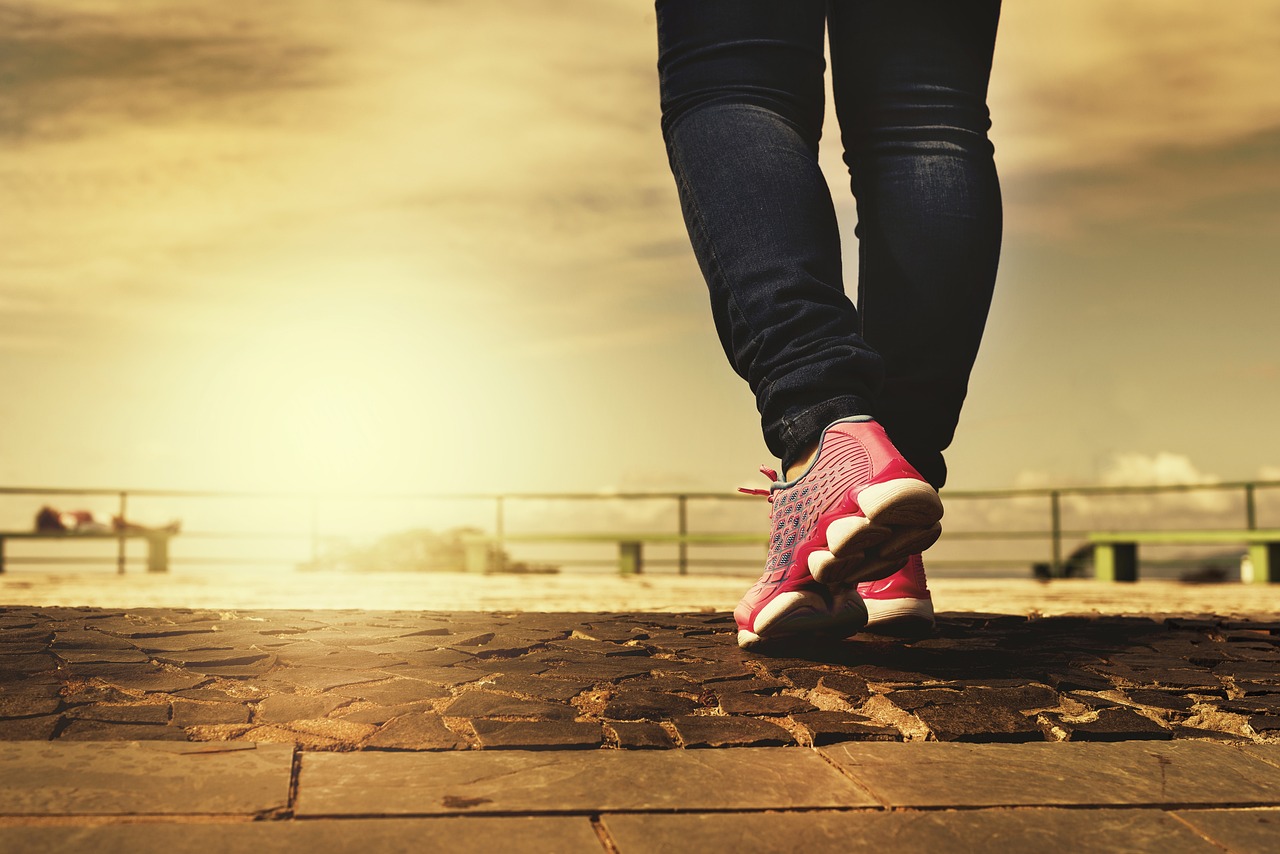
Pure possibility in every step. Imagine building noticeable muscle strength without a gym membership, just by walking with intention—day after day, routine with a twist. The 40-Day Walking Challenge for strength program strips fitness back to its foundation: all you need is your body, a pair of sneakers, and 40 days of steady commitment.
HOKA Women’s Clifton 10 Shoes in Stucco/Cerise Buy Now

This is not your everyday stroll. With every stride, you’ll target your legs, glutes, and core, but the secret sauce lies in the plan’s structure—focused intervals, daily progression, and strength moves woven right into your walks. Expect energy to soar, legs to tighten, and confidence to grow each week. Results arrive as muscle tone, balance, and a sharp boost in endurance that lingers longer than the latest sneaker drop.
Consistency meets intention. That’s the vibe: 40 days designed to turn an ordinary walk into a total-body upgrade. Each day’s walk blends pace, form, and targeted exercises for strength, with benefits both seen and felt. Healthier heart, clearer mind, stronger muscles—one brisk lap at a time.
Ready to step out the door and rewrite your story? This is walking with purpose, crafted for those who want strength that lasts far beyond the finish line.
Watch a quick overview of walking for strength on YouTube
The Science Behind Walking for Strength
Walking for strength is where form and function fuse together. Each stride might look simple, but inside, biomechanics and biology are doing heavy lifting—literally. Add a purposeful pace, a few hills, or some strength drills between laps, and your muscles, bones, and cardiovascular system answer in kind. Ready to step up your game, outfit your routine, and measure your progress? Let’s get specific.
Gear and Equipment: List Top 10 Best Shoes for Strength Walking

Well-chosen gear keeps you comfortable and protected over the 40 days—and beyond. Your feet are your foundation. Here are ten standout shoes for strength walking and long-distance style:
- New Balance 900 Series (Reddit recommendations)
- Hoka Clifton 10 (Runner’s World review)
- Hoka Bondi 9 (Power-walking’s friend: best overall walking shoe)
- On Cloud X 4 (Best hybrid for walking and running)
- Brooks Ghost
- Saucony Guide 18
- Nike Motiva
- Asics Gel Kayano
- KEEN WK400
- New Balance 900 Series (Reddit recommendations)
- Hoka Solimar (7 best fitness walking shoes in 2024)
For long distances, opt for shoes with high cushioning and proper arch support (RunRepeat’s cushioned shoe picks).
Other gear to complete your kit:
- Walking poles—boost your stability and upper body engagement. Check out the York Nordic Motivator Pole and read about options for rehab and support.
- Hydration packs—essential for longer walks and summer sweat-fests. Explore top picks at Outdoor Gear Lab or iconic packs from CamelBak.
- Layered, wicking clothing—style meets strength with Nike walking clothing and boutique brands at Aktiv Style.
The top 5 clothing recommendations for walkers:
- Technical t-shirts (moisture-wicking)
- Supportive sports bras or tanks
- Stretchy, breathable shorts or leggings
- Light windbreaker/vest for layering
- Cushioned, seamless walking socks
Bonus: add reflective bands if you walk early or late.
HOKA Women’s Clifton 10 Shoes in Rose Cream/Dried Rose Buy Now

Target Audiences and Demographics
Whether you’re stepping out for the first time or advancing your training, walking for strength meets you where you are—then gently nudges you further. Programs can be custom to any age, gender, or background.
- Beginners: Try a walking and strength training plan with clear schedules and break-in pointers.
- Walking over 50: Parade lists excellent routines and why bone strength ⏤ not just miles ⏤ matters past midlife.
- Senior walkers: SilverSneakers and NCOA offer muscle-building routines proven to boost fitness without risking joints.
- Women’s walking plans: Women’s Health has strength-based plans that tackle toning and empowerment together.
- Safe programs for older adults: Tips abound on Health in Aging and Westmont Living.
- Teens: CDC guidance on what counts for teens highlights regular walking as a muscle and bone builder.

Tracking Progress and Tools
Strides only grow stronger when you see your progress. Today’s walkers can tap into tech and analog tools alike to tune in, turn up, and get competitive with themselves.
- Apps:
- MapMyWalk (tracks every step, pace, and calorie)
- Strava (social, motivational stats and sharing)
- Apple Fitness+ (integrates with Apple Watch)
- Best walking apps for programs:
- Strava
- Fitbit App
- Nike Run Club
- Additional recommendations at Reddit Walking App thread
- Fitness trackers:
- Progress tracking:
- Mayo Clinic’s guidance recommends recording steps, distance, and route for easy improvement visualization.
- Long walk and lifting routines insights for crossover training.
- Journaling:
- Wearables and tech:
- Biometric trackers inform you of heart rate, pace, even recovery cues.
ON Cloud X 4 AD Panelled Mesh-knit Sneakers Buy Now

How Walking Builds Muscle and Strength
Put simply, walking with intent is resistance training for the everyday athlete. Here are ten science-backed benefits that stack up with every step:
- Leg and glute muscle activation (Physio-Pedia): Walking fires up your quads, hamstrings, glutes, and calves.
- Tones the core: Refine abs and obliques as you stabilize throughout the stride.
- Improves muscle endurance: Smart walking primes slow-twitch muscle fibers (Women’s Health breakdown).
- Strengthens the lower body: Regular, brisk walking has been shown to increase muscle density and strength (USAToday proof).
- Shreds and shapes: Expect a leaner, more defined lower half (GoodRx on muscle building with walking).
- Builds bone density: This weight-bearing movement isn’t just about muscle—it fortifies your skeleton.
- Boosts stability and balance: Consistent walking translates into fewer stumbles and wobbles.
- Increases cardiovascular health: Get your heart strong with a walk that works just hard enough (Mayo Clinic benefits).
- Eases into strength for any level: From beginners to seasoned athletes, the body adapts and improves.
- Supports mental health: The endorphin boost from a brisk walk sharpens the mind and soothes stress (Healthline’s in-depth review).
Brooks Ghost 17 Sneakers Buy Now

Walking and Bone Health: Osteoporosis Prevention
You don’t have to break a sweat to protect your bones—but it helps. Weight-bearing exercise like walking stimulates bone formation and slows bone loss. This is crucial for osteoporosis prevention, a condition where bones become thin and brittle, often seen with age or inactivity.
Walking, especially on varied terrain or with added resistance (think hills or light packs), sends a message to your body: keep bones strong. According to Osteoporosis Foundation prevention tips, simple changes to your movement routine and lifestyle—like daily walks and good nutrition—actively support bone health.
Want bulletproof bones? Make walking a habit, skip the cigarettes, limit alcohol, and get enough calcium and vitamin D (Hopkins Medicine suggestions).
The UK’s NHS also stresses that walking, along with resistance workouts, “is particularly important for improving bone density and helping to prevent osteoporosis” (Read more).
Additional Health Benefits Beyond Strength
Unlocking strength is just the start. A committed walking routine showers you with extra perks:
- Heart health: regular walking helps lower blood pressure, cholesterol, and risk of heart disease.
- Joint care: movement lubricates your joints, easing pain and stiffness, even in arthritis.
- Mental clarity: a brisk walk outdoors boosts mood—nature and movement both play a part.
- Immune support: moderate exercise strengthens your immune system, helping you fend off illness.
- Weight management: walking burns calories, trims waistlines, and supports healthy habits.
- Energy: circulation improves, oxygen increases, and that after-walk energy surge is real.
- Longevity: studies link routine walking to a lower risk of chronic illness and longer life (Harvard Health insights).
Your 40 day walking for strength journey isn’t just about getting strong—it’s a total upgrade for body, mind, and day-to-day confidence.
HOKA Women’s Solimar Shoes in Wild Indigo/White Buy Now

Program Overview: Structure and Progression
The backbone of the 40 Day Walking for Strength Program is a well-planned structure. Each week is dialed in with clear goals, progression in both intensity and distance, plus thoughtfully scheduled recovery to prime the body for new gains. Instead of wandering aimlessly, you’ll know exactly what to work toward—every walk, every week.

Weekly Goals and Focus Areas: List Top 10 Goals with Site Links
Success needs targets. To keep your walk sharp and results steady, here are the top 10 weekly goals that drive progress and keep you motivated for all 40 days.
- Hit Step Counts Consistently: Commit to a step goal or distance benchmark each week. WebMD’s walking plan shows how upping duration and daily movement brings health and strength.
- Master Proper Walking Form: Focus on posture, foot strike, and arm swing to prevent injury and maximize muscle engagement. Men’s Health on walking workouts details the value of purposeful stride.
- Increase Speed or Intensity: Play with pace—alternate between brisk and moderate sessions. Learn why structured cardio plans matter.
- Add Uphill or Incline Walking: Gradient boosts up the burn for glutes and quads.
- Integrate Strength Moves: Sprinkle in squats, lunges, or calf raises mid-route.
- Expand Distance Weekly: Tally more steps or longer mileage as stamina improves. SMART goals for walking make this growth trackable.
- Schedule Recovery Days: Build muscle by planning moments of rest—don’t skip the pause.
- Check Body Signals: Listen for aches, track soreness, and celebrate signs of adaptation.
- Fuel and Hydrate Right: Up intake of water and nutrient-packed snacks for stamina.
- Track All Progress: Record time, terrain, and mood for each walk; check tips on weekly step goals.
By layering these goals, you’ll build strength, confidence, and endurance week by week, not just log miles.
Intensity and Distance Progression
Progression is about going farther, faster, or stronger—but in controlled, strategic moves. Start your program at a sustainable level that feels challenging but doable, then escalate. In week one, that might mean walking 20-25 minutes per day at an easy pace. Each week, gently increase either the duration (aim for 5 to 10 extra minutes), distance, or your speed.
Short bursts of increased pace—think intervals of power walking—dial up the intensity without overtaxing the body. On alternate days or as you hit mid-program, add hills or even a loaded backpack for new strength demands. Stick to a schedule where every seven days introduces a small jump, never more than 10 to 15 percent increase, so muscles adapt without risk.
This progression model, championed in expert programs like this four-week guide for beginners, prevents plateaus and keeps your performance curve trending up (think: from street stroll to peak physique).
Active Recovery and Rest Days
Muscles don’t grow during the walk—they grow during rest. That’s why the program slots in at least one to two active recovery or total rest days per week. Recovery doesn’t have to mean inactivity: Active recovery days could include gentle stretching, yoga, or an unhurried stroll well below your usual pace.
Why rest? It limits risk of overuse injuries, reduces soreness, and keeps motivation high. Rest is as much a part of your training as every challenging walk. Listen to your body, and if you need more time to recharge, take it. As you follow this progression, you’ll see that smart rest pays off with faster adaptation and less burnout.
To recap: forward motion isn’t just about movement, but about the careful rhythm of effort and recovery, keeping your body ready and your spirit eager for the next walk.
Saucony Guide 18 Women’s Running Shoes Ballad/Skydiver Buy Now

Daily Walking Routines and Strength-Boosting Techniques
Turning a routine walk into a powerful strength-building session is a brilliant way to upgrade your fitness without the fuss of a gym. When you add focus, intervals, and a touch of resistance, walking becomes much more than cardio—it’s your go-to strength builder on two legs. Let’s unpack expert insights, sample plans, and creative techniques that make each step count for your muscles as well as your heart.
Expert Advice and Scientific Backing
Is walking truly enough to build strength? The answer is nuanced. Walking alone offers a solid foundation for endurance and cardiovascular health, but targeted techniques elevate it to muscle-building territory. For example, a Time article explains that while walking is excellent low-impact exercise, it doesn’t engage all muscle groups deeply unless intensified.
Experts recommend blending walking with focused strength exercises. A smart 4-week hybrid plan combining walking with strength training moves can help you create a balanced routine that tones your whole body (Today.com walking and strength plan).
Science confirms the value of walking as a way to improve muscle endurance and bone strength. Harvard’s Nutrition Source highlights walking’s role in cardiovascular fitness and its mild resistance effect, particularly when you add inclines or speed changes.
Doctors advocate for walking programs that include intervals and progressive challenges. Programs like Walk with a Doc integrate community and medical support, making strength gains safer and more sustainable.
Research comparing walking and resistance training shows resistance workouts pack more punch for muscle mass, but walking—especially interval or hill walking—also improves functional strength and muscle quality, especially in older adults (PubMed study).
Brooks Ghost 16 Women’s Shoes White/Grey/Estate Blue Buy Now

Sample Walking Plan: Day by Day
To keep your strength walking fresh and effective, a detailed plan matters. Here’s a snapshot of how to build progressive walking workouts over 40 days:
- Days 1-10: Foundation phase
- 20 to 30 minutes brisk walking daily
- Focus on posture and steady pace
- Add bodyweight calf raises after each session
- Days 11-20: Inclines and intervals
- Include 1-2 days of hill or incline walking
- Interval sessions: 1 min fast walk, 2 min easy walk, repeat 5 times
- Strength moves: lunges and squats mid-walk
- Days 21-30: Resistance walking
- Introduce light hand weights or weighted vest
- Uphill power walks at 70-80% effort for 3 min intervals
- Add calf raises and step-ups on curbs
- Days 31-40: Peak progression
- Daily 40-minute walks combining intervals and inclines
- Resistance bands for leg exercises post-walk
- Increase weighted resistance as comfortable
This weekly walking schedule adapts naturally for strength, balancing distance, intensity, and recovery. Mixing interval walking with bodyweight resistance makes a simple stroll feel like a full workout. For detailed daily routines and samples, check out plans like the ones outlined in the Health.com expert walking workouts.
ASICS GEL-Kayano 14 Sneakers Buy Now

Incorporating Inclines and Intervals
Throwing in hills or slopes instantly cranks up the challenge on your legs and glutes. Walking uphill forces your quads, hamstrings, and calves to work harder, making your muscles stronger with each step.
Intervals—alternating between faster and slower walking—are like bursts of energy that jolt your muscles and heart rate, improving endurance and strength efficiently. Short bursts of speed or incline followed by recovery not only burn calories but also stimulate muscle growth and power.
Try a session with 1-minute sprints uphill, followed by 2 minutes of flat recovery walking. Repeat this 5 times. This simple formula adds variety and strength impact without extra equipment.
Using Weights and Resistance Safely
Weights can supercharge your walk but safety comes first. Start with light wrist weights or a weighted vest that evenly distributes weight across your torso. Avoid heavy, dangling weights that can throw off your gait.
Keep these tips in mind:
- Focus on good walking form to avoid injury.
- Begin with weights that feel challenging but don’t strain your joints.
- Use resistance bands for exercises right after walking to target specific muscles safely.
- Listen to your body. Stop if you feel discomfort beyond normal muscle fatigue.
Including weights transforms your walk into a resistance session that builds muscle mass, helps bone density, and improves functional strength.
Supplementary and Complementary Activities
Walking pairs brilliantly with other activities to amplify strength results. Combining walking with resistance training ensures all major muscle groups get their workout. For instance, integrating bodyweight exercises like squats and pushups between walking intervals enhances overall toning and endurance (Everyday Health on strength exercises for walkers).
Yoga complements walking by improving flexibility, balance, and core strength. A combination routine of walking and yoga promotes strong muscles and joints, reducing injury risk (Yoga and walking for strength).
Plyometrics—explosive moves like jump squats—paired with walking can fire up fast-twitch muscle fibers, adding power to your step (Plyometrics plus walking routine).
Core-specific workouts, done before or after walks, stabilize your posture and improve walking efficiency. Strong core muscles support balance and reduce strain (Core workouts to enhance walking).

Functional Movements and Mobility Drills
Incorporating functional movements and mobility exercises into your walking routine helps your body move better, prevents injuries, and boosts muscle activation. Functional drills like step-ups, lateral leg swings, and hip openers mirror natural movements and prepare your muscles for daily tasks.
Mobility work, especially for hips, ankles, and calves, keeps your walking stride long, fluid, and pain-free. Spend 5 minutes post-walk doing dynamic stretches or foam rolling tight muscles to improve recovery and increase flexibility.
This blend of movement keeps your muscles primed and your body balanced, making strength gains more durable and real.
Saucony Guide 18 Women’s Running Shoes White/Fuchsia Buy Now

Nutrition, Recovery, and Support for Optimal Results
The 40 Day Walking for Strength Program is more than just putting one foot in front of the other. To really unlock your muscle gains, boost endurance, and keep energy high, you need to fuel your body right, recover smartly, and embrace a supportive mindset. Let’s zero in on the essentials—nutrition recommendations, recovery strategies, and mental motivation that push you through to the finish line.
Recommended Nutrition for Strength Gains
Feeding your muscles and fueling your walks means choosing foods that build strength without weighing you down. Focus on meals abundant in protein, complex carbs, and healthy fats to power your routine and repair muscle tissue.
Here are some top resources that guide the best nutrition choices for strength-building:
- Explore 26 Foods to Eat to Gain Muscle for a complete list of muscle-friendly foods.
- Read about the 10 Best Foods to Build Muscle and What to Avoid and keep your plate clean and powerful.
- Understand the Proper Diet for Muscle Gain, from eggs to lean meats and plant-based proteins.
Effective strength gains thrive on protein but don’t forget the supportive role of carbs and fats. Whole grains, fruits, vegetables, nuts, and seeds all play starring roles in giving you lasting energy and muscle repair fuel.
Nutrition, Recovery, and Lifestyle
Your body doesn’t build strength during the walk—it happens afterward, with the right nutrition and recovery routine. Here are key areas to keep sharp:
Nutrition for strength walking programs:
Start with meals rich in protein and easy-to-digest carbs. Balanced plates that include chicken, fish, legumes, and whole grains will keep your muscles fueled for those daily strides. For detailed plans aligned with walking, check out this distance walking nutrition guide.
Meals for muscle recovery walking:
Post-walk meals should combine protein and carbs to jumpstart repair. Think grilled salmon with sweet potatoes or a quinoa and black bean salad. Post-workout nutrition tips offer ideas to optimize recovery.
Hydration tips for walking for strength:
Hydration is non-negotiable. Sipping water regularly before, during, and after your walks maintains muscle function and prevents fatigue. Experts recommend drinking 4 to 8 ounces every 15 to 20 minutes of exercise (Hydration Tips for Athletes).
Stretching after walking workout:
Ease muscle tension with targeted stretches for calves, hamstrings, quads, and hips. Simple, equipment-free stretches can speed recovery and improve flexibility. Here’s a helpful guide on 5 stretches to do post-walk.
How to recover after long walks:
After long walks, focus on hydration, nutrition, gentle stretching, and rest. Ice or heat treatments reduce inflammation and soreness. For more, explore quick post-hike recovery tips.
Best snacks before walking:
Eat light, energy-boosting snacks before your walks: half a banana, a handful of nuts, or an energy bar with complex carbs. Check these suggestions from what to eat before a morning walk and 5 snacks before a workout.
New Balance Women’s Fresh Foam X Kaiha Road V1 Running Shoe Buy Now

Mental Motivation and Community Support
Walking every day for 40 days takes more than just physical endurance; it demands mental grit and a solid support network to keep you pushing.
Walking program tips:
Start smart with realistic goals and steady progress. These walking program tips help you stay consistent and avoid burnout.
Stay motivated during walking program:
Keep your energy high by mixing up routes, inviting a friend, and rewarding milestones. For inspiration, explore ways to stay motivated.
Walking for strength before and after:
Seeing progress can fuel your fire. Track changes in your stamina or muscle tone, and consult before-and-after success stories to spark your journey.
40 day walking challenge stories:
Nothing motivates like real experiences. Discover 40 day walking challenge stories that remind you every journey starts with one step.
Real results from 40 day walking plan:
Peek at documented successes to see achievable gains in strength and confidence.
Walking transformation stories:
Stories of transformation are powerful. Find accounts from walkers who built muscle, lost weight, and changed their lives.
Walking accountability ideas:
Join challenges, create walking groups, or use apps to keep you honest. Tools and social accountability make all the difference.

Common Problems and Solutions
In the 40 Day Walking for Strength Program, challenges are part of the journey—not roadblocks. They show up as achy muscles, tired joints, or stubborn fatigue. These bumps can shake your motivation if you’re not ready. But here’s the good news: every common problem has straightforward, effective solutions. Addressing these issues early keeps you moving confidently toward strength, not sidelined by setbacks.
Avoiding Injury During Your Walking Program
Injury can sneak in from overdoing it or ignoring warning signs. The key is balance—not just pushing hard but warming up, wearing supportive shoes, and pacing progression wisely. Start each walk with a slow warm-up to prepare your muscles and joints. Don’t leap into speed or distance gains; increase your mileage gradually, no more than 10 to 15 percent per week.
Footwear matters. Athletic shoes with ample support and cushioning protect your feet and ankles from impact injuries. Avoid overstriding, which stresses heels and calves unnecessarily.
Stretch your calves, hamstrings, and quads after each walk to keep muscles flexible and ready for the next session. Take rest days seriously—they let your body rebuild stronger rather than breaking down.
Learn more about injury prevention from the American Heart Association’s workout safety tips and expert advice at OrthoCarolina.

Walking with Joint Pain
Joint pain shouldn’t push you into quitting. With some smart adjustments, walking becomes a welcome pain reliever, not a cause. Focus on slow starts and manageable distances, letting your joints ease into motion. Keep the terrain flat or opt for softer surfaces like trails or tracks to reduce joint stress.
Bracing or using walking poles can ease pressure on hips and knees while maintaining muscle engagement. Strengthening your supporting muscles, especially around the joints, cushions your movement and reduces discomfort over time.
Arthritis-friendly walking tips center on gentle pacing and body awareness. The Arthritis Foundation’s guidelines offer solid starting points, with practical strategies to keep walking safe and enjoyable.
Foot Care for Daily Walkers
Your feet take the full force of your walking routine. Ignoring foot care can lead to blisters, nail problems, or painful calluses, cutting your progress short. Wear well-fitting shoes, ideally designed for walking, with breathable socks to wick moisture.
Regularly trim toenails to prevent ingrown nails and infections. After walks, examine your feet for any signs of redness or sores and address them prompt. Rotating shoes every few months prevents wear patterns that strain your feet unevenly.
Take extra care by following tips from Banner Health’s foot care guide and the CDC’s foot hygiene recommendations.
Overcoming Fatigue on Strength Walks
Feeling wiped out halfway through your walk or overloaded after a few days is a common hurdle. Fatigue isn’t weakness; it’s your body signaling it needs a tune-up.
Hydrate wisely. Even mild dehydration can zap your energy quickly. Sip water before, during, and after every walk. Nutrient-rich snacks before walking provide fuel without weighing you down—think a banana or a handful of nuts.
Incorporate rest days or active recovery (easy strolls, gentle yoga) to recharge. When your mind drifts to the couch, a brisk 10-minute warm-up walk can sometimes reset your energy levels.
Check out advice on managing fatigue from Better Health Victoria and Harvard Health’s guide to boosting energy.
Preventing Muscle Soreness When Walking
Soreness can be a badge of progress—or a sign you pushed too hard. To tip the scale toward the former, warm up before every walk and cool down afterward. Gentle stretching targets key muscles—calves, hamstrings, quads, and glutes—to ease tension.
Post-walk, consider foam rolling to release knots and improve blood flow. Ice packs can reduce inflammation when soreness spikes. Avoid skipping rest days; muscles rebuild during downtime, not on the move.
For ongoing soreness relief and prevention techniques, see the tips from Virtua Health on muscle soreness and Harvard’s pain management insights.

Photo by Kindel Media
Community and Social Engagement
Strength walking is more than just a solo journey; it’s about stepping into a vibrant community where every stride connects you with others who share your goal. Engaging socially during your 40 Day Walking for Strength Program can turn motivation into momentum and make each day feel like a celebration of progress and support. There’s something electric in knowing others are challenging themselves alongside you—whether nearby or online. This sense of belonging can keep you energized, committed, and inspired to push through the tougher days.
Community engagement also opens doors to sharing tips, cheering milestones, and discovering fresh routes, all of which enrich your walking experience. Here’s where social interaction meets accountability, making your program a lively and rewarding adventure.
Nike Training Motiva SE sneakers in white and multi Buy Now

Walking Groups for 40 Day Challenges
Joining a walking group tailored to 40-day challenges like yours amplifies motivation. These groups come with the structure of shared goals and the encouragement that comes naturally when you know others are tracking your progress. Popular options include:
- The Forty Forty Challenge, a faith-focused 40 days, 40 miles walk or run challenge that blends physical strength with spiritual growth.
- Facebook has a large community in the 40/40 Challenge group where participants share stories, support, and tips on covering 40 miles over 40 days.
- Official Forty Forty Challenge site where you can register and find resources to complete daily miles with like-minded walkers.
These groups often offer daily prompts, motivational stories, and virtual meetups—or in-person if your location permits.
Online Walking Communities
If you prefer digital connection, online communities provide a wide network of walkers sharing their journey, challenges, and successes:
- World Walking offers a global platform where you track your steps virtually to famous locations worldwide while connecting with fellow walkers for inspiration.
- Virtual Vacation’s Walking Tour lets you experience new locations from home while joining walking challenges online.
- Walk Friendly Communities supports safe and walkable neighborhoods with resources and forums to engage with active walkers.
These communities turn your walking time into social time, with forums, challenges, and shared progress updates that add fun and accountability.
WK400 II Walking Sneaker Buy Now

Social Media Hashtags for Walking Programs
Bringing your walking journey to social media broadens your circle. Using the right hashtags can connect you with tens of thousands sharing workouts, tips, and motivation. Popular hashtags include:
- #walking
- #walkforstrength
- #40daychallenge
- #stridestrong
- #powerwalking
- #stepstostrength
- #dailywalks
- #walkmore
- #walkandtalk
- #walkingcommunity
Tools like Best #walking Hashtags list top trending tags ideal for Instagram or TikTok if you want to boost your posts’ reach and connect with a large walking community.
Group Accountability for Walking Strength
Accountability turns “I’ll try” into “I did it.” Walking in a group or committing to an accountability partner keeps you honest and committed. Studies show people who share fitness goals with a buddy are more likely to stay consistent.
- Reddit offers conversations on Accountability Groups explaining how such groups fuel progress.
- Peloton’s insights on “How an Accountability Partner Can Help You Hit Fitness Goals” shed light on the importance of having someone to check in with regularly.
- Walking for Health and Fitness presents effective strategies on blending walking routines with mindset accountability for best results.
Accountability means setting regular check-ins, sharing progress, and celebrating wins together—whether in person or virtually.
Local Walking Events and Meetups
If socializing in person feels more your speed, tapping into local walking groups and meetups can add a spark to your routine. Local groups often organize events for all levels, from casual strolls to strength-building hikes.
- Meetup’s Walking Groups pages connect you with local communities eager to welcome new walkers.
- The Meetup homepage lets you find or start groups, broader than walking but fitness-related as well.
- For UK-based walkers, the Largest Walking Groups showcase many local options for every pace and preference.
Participating in local walks can deepen your social ties and keep your journey fresh with new routes and friendly faces.

Building strength through walking extends beyond the muscles. It’s about forging connections, sharing the highs and lows, and moving forward together. When your steps sync with others, strength turns social and the 40-day challenge becomes a shared victory.
Nike Women’s Motiva x NorBlack NorWhite Walking Shoes in Blue Buy Now

Completing the 40 Day Walking for Strength Program lays a solid foundation
Completing the 40 Day Walking for Strength Program lays a solid foundation of muscle tone, endurance, and confidence. Your strides have already built stronger legs, core, and balance—all without stepping inside a gym. The next step is to keep building on that strength by mixing in new challenges like adding resistance training, increasing walking intensity, or exploring hill workouts.
Consider integrating complementary workouts—think bodyweight moves, yoga, or light weightlifting—to target muscles that walking alone doesn’t reach. Tracking progress remains key, so use apps or journals to stay motivated and measure gains. Don’t forget recovery: rest and proper nutrition fuel the strength you’re creating.
This program isn’t just about 40 days; it’s a launchpad for lasting fitness habits. Step forward with commitment, play with variety, and your body will reward you with resilience, tone, and stamina for whatever comes next. What new goal will you set to keep your strength walking strong? Your journey continues with every confident step.

Affiliate Links: The items live on repeat in my closet or on my desk. The items I do not have yet are ones I’m saving for. Shop them via the links above. If you decide to swipe something for yourself, I may get a small thank-you in the form of coffee money ☕—no extra cost on your end, just a little perk for sharing things I swear by. ☕️✨
Discover more from Beautiful over 40ish
Subscribe to get the latest posts sent to your email.